Robert Williams
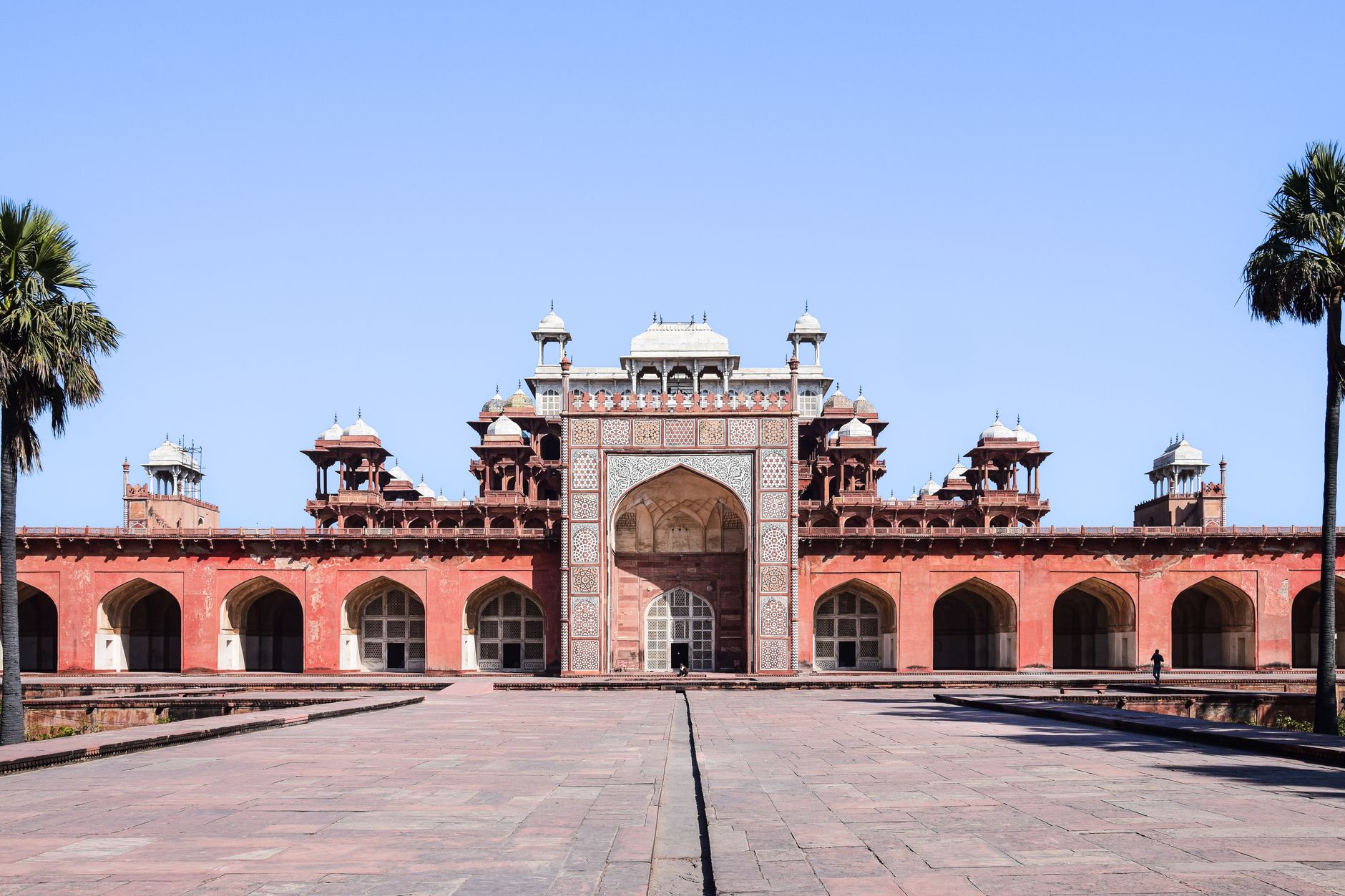
Trump officials review has concluded, raising concerns about the potential harm to historic sites. The decision has sparked debates about preservation and development.
Overview of the Review Process
The recent decision by Trump officials to end their review of how various projects may impact historic sites has raised concerns among preservationists and local communities. This review process, which had been underway for several months, aimed to assess the potential risks associated with new developments near significant landmarks.
During the review, officials examined several key factors:
- Environmental Impact: The potential effect of construction on the surrounding ecosystem.
- Cultural Significance: The importance of the sites in relation to local history and identity.
- Community Input: Feedback from local residents and stakeholders regarding proposed changes.
Despite these considerations, the decision to end the review process has sparked debates about the balance between development and preservation. Critics argue that without a thorough evaluation, historic sites may be jeopardized by new projects that do not take their significance into account.
As Trump officials review their approach to historic preservation, many are left wondering what this means for the future of these vital cultural resources. Advocates are calling for stronger protections to ensure that developments do not come at the expense of the nation’s heritage.
Concerns Raised by Preservationists
As the review process initiated by Trump officials draws to a close, concerns are mounting among preservationists regarding the potential impact on historic sites. Advocates fear that, without proper oversight, significant cultural landmarks could be jeopardized.
Key concerns include:
- Inadequate protection measures for vulnerable sites
- Increased development pressures leading to irreversible changes
- Potential neglect of local heritage in favor of economic gains
Many preservationists argue that the review conducted by Trump officials prioritized economic growth over historical integrity. “Sites with deep cultural significance should not be sacrificed for short-term benefits,” stated a spokesperson for a national preservation organization. The fear is that the findings of the review may pave the way for deregulation, allowing developers to encroach on historically significant areas.
Furthermore, critics have pointed out that the lack of inclusive dialogue with local communities during the review process has left many feeling unheard. This disconnect raises questions about the motivations behind the decisions made by Trump officials during their review, sparking a broader debate about balancing economic interests with the preservation of our nation’s heritage.
Impact on Historic Sites
The recent Trump officials review has sparked significant debate regarding its implications for historic sites across the nation. As federal agencies assessed various projects, many preservationists expressed concerns about the potential damage to culturally and historically significant locations.
One major concern centers around the balance between development and preservation. Critics argue that some projects approved during the review process could lead to irreversible harm to sites that hold great value for future generations. Preservationists emphasize the importance of maintaining the integrity of these sites, which tell the story of the nation’s heritage.
- Loss of Integrity: Construction and development activities could compromise the historical integrity of sites, leading to alterations that detract from their original significance.
- Public Access: Increased development may restrict access to historic sites, limiting public engagement and education opportunities.
- Environmental Concerns: Historic sites often coexist with natural landscapes; development could disrupt ecosystems that are crucial for conservation efforts.
As the review concludes, stakeholders are left to ponder the long-term effects of these decisions. The challenge remains to find a way to foster growth while honoring the past, ensuring that the lessons of history are preserved for future generations.
Government Response to Criticism
The recent decision by Trump officials to end the review process regarding the impact on historic sites has drawn sharp criticism from various preservationist groups. In response to these concerns, government representatives have emphasized the necessity of balancing development and preservation.
Officials stated that:
- The review aimed to evaluate potential impacts on historic landmarks, ensuring that necessary precautions were taken.
- They remain committed to preserving the integrity of these sites while also fostering economic growth.
- Many projects under review were deemed essential for infrastructure development, which they believe is vital for national progress.
Despite these assurances, preservationists argue that the review was insufficient and rushed. They express concerns that the government’s approach prioritizes short-term gains over long-term preservation of cultural heritage. Critics have highlighted that:
- Historic sites serve as educational resources and cultural touchstones for communities.
- Once altered or destroyed, these irreplaceable assets cannot be recovered.
As the review process concludes, the debate over the implications for historic preservation continues, with many urging the government to reconsider its stance to better protect these vital sites for future generations.
Public Opinion on the Decision
Public opinion on the recent decision by Trump officials to end the review of how new projects may impact historic sites has been mixed. Many citizens express deep concern about the potential consequences for America’s cultural heritage.
Advocates for preservation argue that protecting historic sites is essential not only for cultural continuity but also for education and tourism. They fear that the lack of stringent reviews could lead to irreversible damage to significant landmarks. According to a recent survey, approximately 68% of respondents believe that protecting these sites should take precedence over new construction projects.
On the other hand, some community members and local businesses support the decision made by Trump officials, emphasizing the need for economic development. They argue that streamlined processes will facilitate job creation and boost local economies, particularly in areas where historic sites are often underutilized. A local business owner stated, “We need to find a balance between preservation and progress.”
While the implications of this review are still unfolding, it is clear that public sentiment is deeply divided. Many are calling for more transparency in the decision-making process, urging officials to consider both the historical value and the economic needs of their communities.
Future of Development Projects
The recent decision by Trump officials to end the review process concerning the impact of development projects on historic sites has sparked considerable debate about the future of such initiatives. Many stakeholders are now left to ponder the implications for ongoing and future projects that may encroach upon these significant landmarks.
As the review concludes, experts warn that the absence of thorough evaluations may lead to detrimental outcomes for vital cultural heritage. The potential for increased development could overshadow preservation efforts, which have long been a cornerstone of maintaining the integrity of historic sites.
Among the most pressing concerns are:
- Increased Development Pressure: With regulations relaxed, developers may feel emboldened to pursue projects that threaten the historic fabric of communities.
- Long-term Consequences: The lack of oversight may result in irreversible damage to sites that hold significant historical value.
- Community Resistance: Local advocacy groups may ramp up efforts to safeguard these locations, potentially leading to conflicts between development and preservation.
As Trump officials review the implications of this decision, the balance between progress and preservation remains a critical topic for discussion among policymakers and the public alike.
Conclusion and Next Steps
As the Trump officials review comes to a close, the implications for historic sites across the nation are becoming clearer. The end of this review process raises significant questions about the balance between development and preservation.
Many preservationists are left concerned about the potential for increased risks to historic landmarks. The decisions made during this review may set precedents for future government actions regarding heritage sites. This sentiment is echoed by various community groups who advocate for the protection of these irreplaceable resources.
The government’s response to the criticism highlighted the need for a more collaborative approach, emphasizing the importance of stakeholder engagement. However, public opinion remains divided, with some citizens supporting development initiatives while others prioritize conservation efforts.
Moving forward, it is essential for officials to integrate feedback from diverse communities and experts in the field of historic preservation. This can help ensure that development projects do not compromise the integrity of valuable cultural sites.
In conclusion, the outcomes of the Trump officials review will likely resonate for years to come. As new projects emerge, the protection of historic sites must remain a priority, fostering a dialogue that respects both heritage and progress.
The findings of the Trump officials review have sparked debates about preservation versus development. As communities grapple with the implications, the Trump officials review highlights the delicate balance between historical integrity and modern needs.
By The White House via Openverse
Where this came from
You might also like
Secretarial audit firm: Anup Engineering’s name change announced · Consumer Cyclical Companies: Best Insights from Analysts · Akbar’s Royal Kitchen: The Best Proven Dishes to Try