Robert Williams
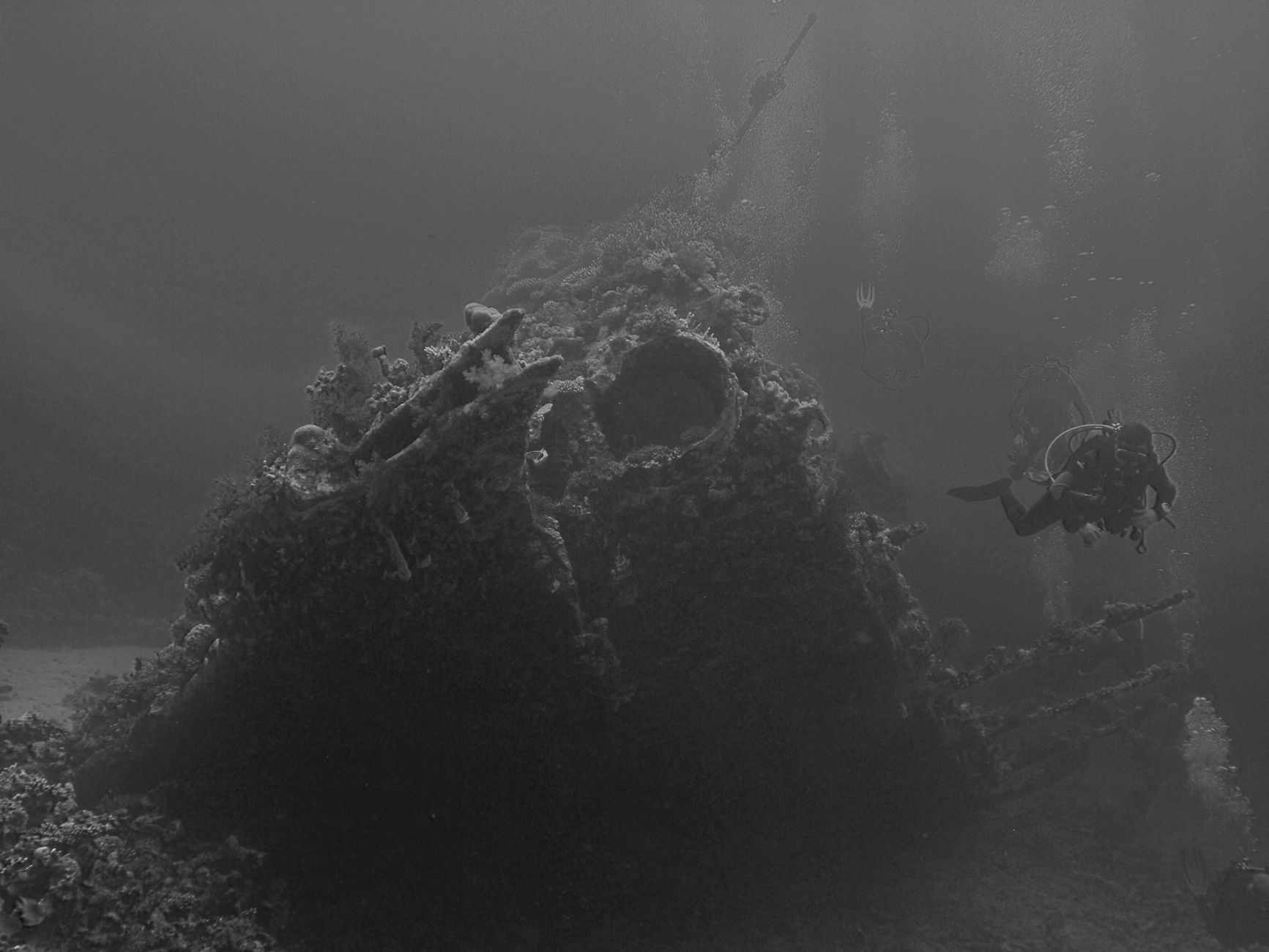
The World’s oldest shipwreck has sparked significant interest among archaeologists and historians. This remarkable find may change our understanding of ancient maritime history and shipbuilding techniques.
What Makes This Shipwreck Unique?
The discovery of the world’s oldest shipwreck has sparked considerable interest among archaeologists and historians alike. This remarkable find offers a glimpse into ancient maritime practices and trade routes, making it a unique subject of study.
Several factors contribute to the distinctiveness of this shipwreck:
- Age: Believed to date back over 2,400 years, the shipwreck provides a rare opportunity to examine ancient shipbuilding techniques and materials.
- Location: Found in the depths of the Black Sea, the wreck is remarkably well-preserved due to the anoxic conditions that inhibit decay.
- Cultural Significance: The ship is thought to belong to the ancient Greeks, shedding light on their seafaring capabilities and trade practices.
- Innovative Research Methods: Advanced underwater exploration technology has allowed researchers to access the site with minimal disturbance, ensuring the preservation of artifacts.
As scholars continue to analyze the findings, the world’s oldest shipwreck promises to unveil stories of the past, captivating the imagination of those fascinated by maritime history.
Historical Significance of the Find
The discovery of the world’s oldest shipwreck holds immense historical significance, offering a glimpse into ancient maritime practices and trade routes. This remarkable find, dating back thousands of years, has the potential to reshape our understanding of early civilizations and their interactions across vast bodies of water.
Experts believe that studying the ship’s construction and cargo can reveal valuable insights into:
- Trade Networks: The cargo found on board may indicate the trading relationships between distant cultures.
- Shipbuilding Techniques: Analyzing the materials and design can shed light on the advancement of naval engineering during that era.
- Cultural Exchange: Artifacts retrieved from the wreck could highlight the exchange of ideas and goods among ancient peoples.
Moreover, the potential to uncover preserved artifacts offers a unique opportunity for archaeologists to understand daily life at sea. As researchers continue to explore the world’s oldest shipwreck, they remain hopeful that further discoveries will contribute meaningfully to our knowledge of maritime history and the civilizations that thrived long ago.
Excitement in the Archaeological Community
The discovery of the world’s oldest shipwreck has sparked immense excitement within the archaeological community. Experts from various fields are coming together to study the implications of this find, which could reshape our understanding of ancient maritime practices.
As archaeologists continue to analyze the shipwreck, several key areas of interest have emerged:
- Technological Insights: The construction techniques used in the ship highlight the advanced skills of ancient shipbuilders, revealing a level of sophistication previously underestimated.
- Cultural Exchange: Artifacts recovered from the site suggest extensive trade routes, indicating interactions between different civilizations that were previously unknown.
- Preservation Challenges: The condition of the shipwreck raises questions about preservation methods for underwater finds, pushing researchers to innovate in the field.
Furthermore, the debate over whether this shipwreck truly holds the title of the world’s oldest is fueling discussions about what constitutes a shipwreck and how these discoveries challenge existing narratives. Overall, this find is not just about age; it opens doors to new research and collaboration, promising exciting developments in maritime archaeology.
Potential Insights into Ancient Trade
The discovery of the world’s oldest shipwreck has opened up a treasure trove of potential insights into ancient trade routes and maritime practices. Researchers are eager to delve deeper into the artifacts recovered from the site, which may shed light on the economic exchanges of the time.
Experts believe that studying the ship’s construction and cargo can reveal:
- Trade Networks: Analysis of the materials and goods found aboard can help map out the complex web of trade connections between different ancient civilizations.
- Maritime Technology: Understanding the shipbuilding techniques used may provide clues about the technological advancements of the era.
- Cultural Exchange: The artifacts may also highlight cultural interactions, showcasing how ideas and traditions were shared among societies.
The implications of these findings extend beyond just the shipwreck itself; they may challenge existing narratives about ancient economies and interactions. As researchers meticulously analyze each piece, the world watches with bated breath for revelations that could redefine our understanding of maritime history and trade in the ancient world.
Challenges in Shipwreck Exploration
Exploring the world’s oldest shipwreck presents a multitude of challenges that researchers must navigate. The complexities involved in underwater archaeology are significant, often making the process both demanding and unpredictable.
Among the primary obstacles are:
- Depth and Access: Many shipwrecks reside in deep waters, requiring specialized diving equipment and experienced divers.
- Preservation of Artifacts: The delicate nature of ancient materials can complicate excavation efforts; artifacts often deteriorate when exposed to air.
- Environmental Conditions: Factors such as currents, visibility, and temperature can hinder exploration and increase risks for research teams.
- Funding and Resources: Securing financial support for extensive underwater missions remains a constant challenge.
- Legal and Ethical Considerations: Navigating ownership and preservation laws can complicate the exploration of significant archaeological sites.
Despite these difficulties, the potential discoveries surrounding the world’s oldest shipwreck motivate archaeologists to push forward, as each finding could unveil more about ancient maritime practices and trade networks.
Future Research Directions
The discovery of the world’s oldest shipwreck has opened new avenues for research that promise to deepen our understanding of ancient maritime practices. As archaeologists begin to analyze the recovered artifacts, several future research directions are emerging.
- Advanced Dating Techniques: Researchers aim to refine dating methods to confirm the age of the shipwreck, potentially providing insights into the historical timeline of maritime trade.
- Artifact Analysis: Detailed studies of the ship’s cargo and tools will help reconstruct the economic activities and daily life of the people who operated it.
- Marine Ecosystem Impact: Investigating how the shipwreck has influenced local marine ecosystems over time could reveal the interactions between human activity and natural environments.
- Technological Innovations: The application of new underwater exploration technologies may lead to more discoveries in the area, expanding our knowledge of ancient shipping routes.
- Collaborative Efforts: Increased collaboration between international archaeologists may bring diverse perspectives and expertise to the study of the world’s oldest shipwreck.
These research directions not only highlight the significance of this remarkable find but also promise to enrich our understanding of the ancient world.
Photo by Alain Margreve on Pexels
Read the original
Related stories
Kennedy Midterms Win: Is It the Best Strategy for MAHA? · Top News Today: The Best Highlights You Can’t Miss · Are Foldable iPhones the Best Tech Investment of 2023?