Robert Williams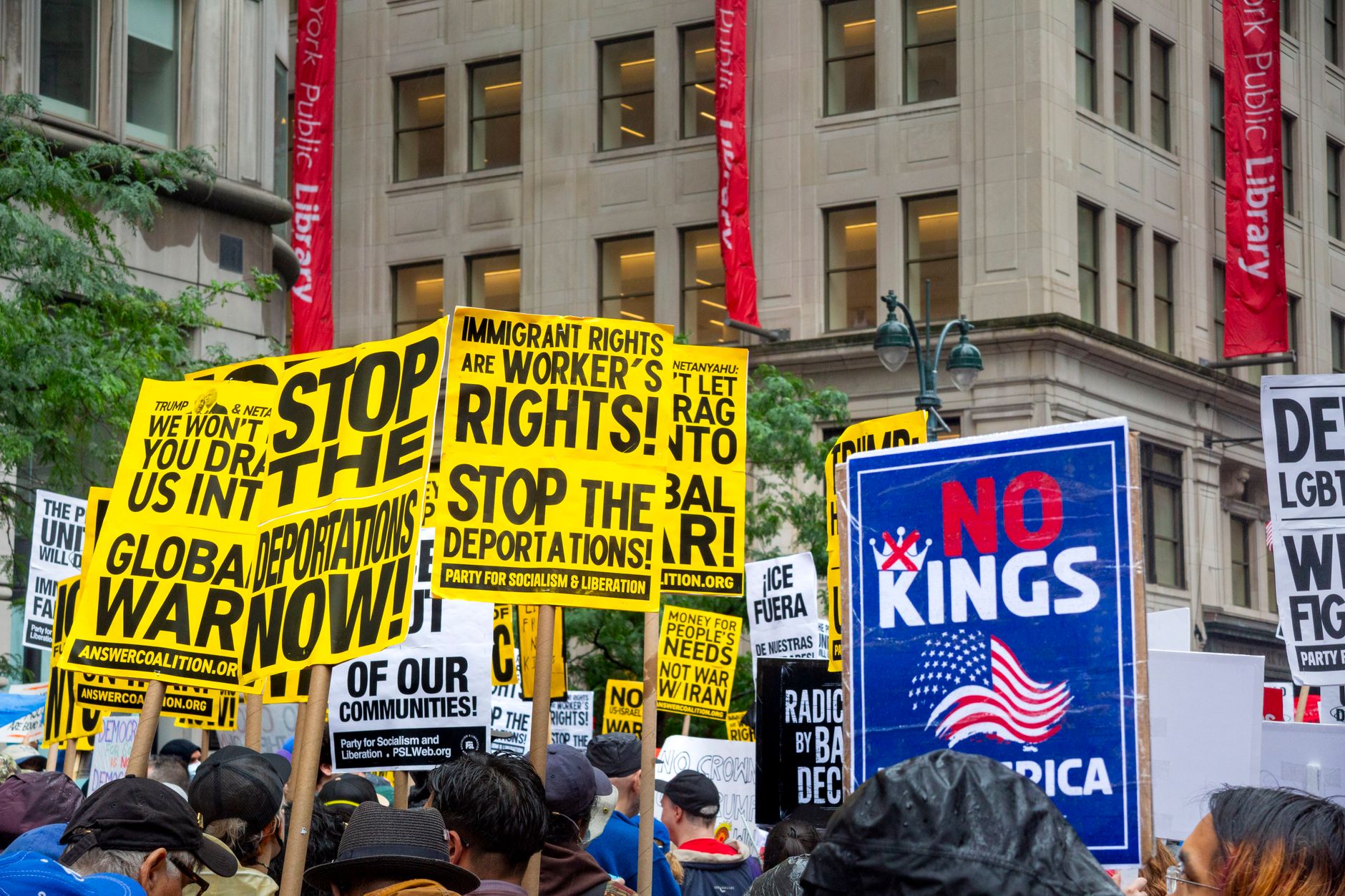
Trump deportation deals are creating a stir as new details emerge about secret agreements made during his presidency. These revelations raise serious questions about immigration policy and its effects.
Understanding Trump’s Deportation Deals
In recent years, the topic of Trump deportation deals has sparked significant controversy and debate. These agreements, often shrouded in secrecy, aimed to streamline the deportation process for undocumented immigrants. However, the implications of these deals extend far beyond mere policy changes.
Many critics argue that Trump’s approach to deportation represents a shift toward more aggressive enforcement tactics. This has led to heightened fears among immigrant communities, with many feeling vulnerable to sudden detentions and deportations. The deals often included provisions that allowed for accelerated deportations without the usual legal safeguards.
Supporters of the policy contend that these deals were necessary to enhance national security and uphold immigration laws. They argue that a more efficient deportation process deters illegal immigration and protects job opportunities for citizens. However, the reality for many immigrants is far more complex.
As these deportation deals unfold, they raise critical questions about human rights and due process. The experiences of those affected reveal stories of families torn apart and individuals facing uncertain futures. The emotional toll on communities cannot be understated, as fear of deportation permeates daily life.
Ultimately, understanding Trump’s deportation deals requires a nuanced examination of their impacts, particularly on the vulnerable populations they directly affect.
The Impact on Immigrant Communities
The impact of Trump deportation deals on immigrant communities has been profound and multifaceted. These agreements have created an atmosphere of uncertainty, leading many to fear for their safety and stability.
One significant effect has been the increase in anxiety among undocumented immigrants. Many have reported feeling constantly on edge, as the threat of deportation looms large. This sense of vulnerability can disrupt everyday life, making it difficult for individuals to work, access healthcare, or engage with their community.
Additionally, the deportation deals have strained relationships within immigrant families. Many families face the heartbreaking reality of separation, as loved ones are removed from their homes and communities. The emotional toll is immense, as children are left without parents, and partners are forced to navigate life alone.
Moreover, the economic ramifications of these deals are significant. Businesses that rely on immigrant labor have faced challenges, leading to disruptions in local economies. The fear of deportation has led some workers to withdraw from the job market, exacerbating labor shortages in critical sectors.
In summary, Trump’s deportation deals have had a lasting impact on immigrant communities, fostering fear, family separation, and economic instability. As these issues continue to unfold, the resilience of these communities remains a testament to their strength in the face of adversity.
Political Reactions to the Revelations
The recent revelations regarding Trump deportation deals have sparked a wave of political reactions across the spectrum. Lawmakers and advocates have expressed concern over the implications these deals may have on immigrant communities and U.S. foreign relations.
Democrats have been particularly vocal, highlighting the ethical ramifications of such agreements. Senator Maria Torres stated, “These deportation deals undermine our values as a nation built on the principles of freedom and justice. We cannot allow our government to engage in secretive arrangements that jeopardize the safety of families.”
On the other hand, some Republicans have defended the approach, arguing that these deals are necessary for national security. Representative James Caldwell mentioned, “We must prioritize the safety of American citizens. If these deportation deals help us achieve that, then they are worth considering.”
Advocacy groups have also chimed in, calling for transparency in immigration policies. Maria Gonzalez, a spokesperson for the Immigrant Rights Coalition, emphasized the need for accountability: “We deserve to know how these decisions are being made and who is being affected. The secrecy surrounding Trump deportation deals is alarming.”
As the political debate continues, the future of immigrant rights and U.S. immigration policy remains uncertain, leaving many to wonder how these developments will unfold in the coming months.
Legal Ramifications of Secret Agreements
The legal ramifications of Trump’s deportation deals have sparked significant debate among immigration experts and human rights advocates. These secret agreements, often made without proper oversight, raise questions about their legality and adherence to existing immigration laws.
One major concern is the potential violation of due process rights for individuals affected by these agreements. Critics argue that the expedited deportations facilitated by these deals undermine the legal protections that immigrants are entitled to. Many individuals may not have had the opportunity to contest their deportation, leaving them vulnerable to removal without a fair hearing.
Furthermore, the lack of transparency surrounding these deportation deals has led to fears of discrimination and abuse. Immigration advocates contend that such practices disproportionately affect marginalized communities, particularly those from Central America and other regions facing violence and instability.
Legal challenges are already underway, with various organizations seeking to hold the government accountable for what they consider unlawful deportations. As these cases progress, the outcomes could set important precedents regarding the legality of similar agreements in the future.
Ultimately, the ramifications of Trump’s deportation deals extend beyond individual cases, influencing broader discussions about immigration policy and the ethical responsibilities of the U.S. government towards foreign nationals.
Public Opinion on Trump’s Policies
Public opinion surrounding Trump’s deportation deals is deeply divided, reflecting broader attitudes toward immigration policy in the United States. Many supporters argue that these deals are essential for national security and border control, believing that stringent measures are necessary to deter illegal immigration. They see Trump’s approach as a strong stance against what they perceive as a crisis at the border.
Conversely, critics contend that the deportation deals are inhumane and violate the rights of immigrants. They argue that these agreements can lead to families being torn apart and individuals being sent back to dangerous situations in their home countries. Human rights advocates have raised concerns about the lack of transparency and the ethical implications of such policies, emphasizing the need for compassion and a more humane approach to immigration reform.
Public sentiment is also influenced by personal stories and media coverage of those affected by these policies. Many individuals have voiced their fear and uncertainty regarding their immigration status, highlighting the emotional toll of living under such precarious conditions.
Furthermore, surveys indicate that a significant portion of the American population supports pathways to citizenship for undocumented immigrants, suggesting a desire for reform rather than strict deportation measures. As the debate continues, the implications of Trump’s deportation deals remain a contentious topic in American society.
The implementation of Trump deportation deals has led to increased anxiety among immigrant communities across the nation. Many families are now facing uncertainty as they navigate the complex landscape shaped by these Trump deportation deals.
Photo by Anders Zernike on Pexels