Robert Williams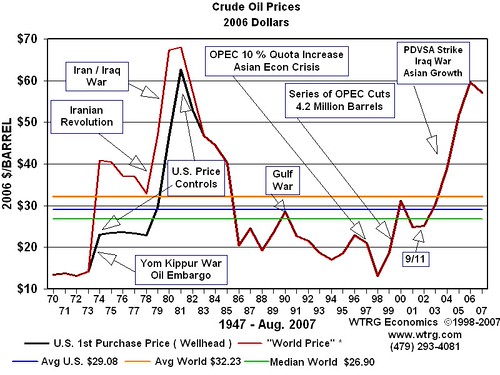
crude oil prices are experiencing a significant decline following discussions between Iranian and US negotiators about the Strait of Hormuz.
Impact of Strait of Hormuz on Oil Prices
The recent discussions between Iranian and US negotiators regarding the Strait of Hormuz have significant implications for crude oil prices. This strategically vital waterway is a crucial passage for a substantial portion of the world’s oil supply, making any developments in the area closely monitored by market analysts.
As the negotiations unfold, several factors contribute to the current volatility in crude oil prices:
- Geopolitical Tensions: The Strait has been a focal point of tensions, and any agreement could either stabilize or exacerbate the situation, influencing market perceptions.
- Supply Chain Security: A secure Strait of Hormuz means uninterrupted oil flow, which can lead to lower prices, while threats or disruptions can boost prices dramatically.
- Market Speculation: Traders are reacting to news from the negotiations, leading to fluctuations as they assess potential outcomes and their implications for supply.
In summary, the fate of crude oil prices hinges on the outcome of these discussions. The stability of the Strait of Hormuz plays a critical role in shaping the global oil market, and any shifts in its operational status will be felt across various economies.
Current Trends in Crude Oil Markets
Crude oil prices have recently experienced significant fluctuations, primarily influenced by ongoing geopolitical developments. The negotiations between Iranian and US officials regarding the Strait of Hormuz have led to heightened uncertainty in the market.
As discussions progress, analysts are closely monitoring the situation, as any agreements could potentially ease tensions and stabilize supply routes. The Strait of Hormuz is a critical passage for oil exports, and disruptions in this region can lead to dramatic price changes.
Currently, several factors are contributing to the downward trend in crude oil prices:
- Increased Supply: The rise in US shale production has added to global oil supplies, putting downward pressure on prices.
- Economic Slowdown: Concerns about a slowing global economy have led to reduced demand forecasts for crude oil.
- Market Sentiment: Investor sentiment has turned bearish, with many anticipating further declines in prices as uncertainty looms.
As crude oil prices continue to face their worst slide in recent memory, market participants remain vigilant, hoping for any positive developments from the ongoing negotiations that may help restore stability.
Negotiations Between Iran and the US
Negotiations between Iran and the US have significantly influenced the current state of crude oil prices. Recent discussions aimed at addressing tensions and reopening the Strait of Hormuz have raised concerns among investors and analysts alike. The Strait is a crucial passageway for oil shipments, and its stability is vital for the global oil market.
As the negotiations progressed, a wave of optimism initially surrounded the potential for a resolution that could stabilize crude oil prices. However, these talks have also faced numerous hurdles, leading to uncertainty in the market. Some key points from the ongoing negotiations include:
- Sanctions Relief: The US is considering easing some sanctions imposed on Iran, which could lead to increased oil supply.
- Security Assurance: Iran is seeking guarantees that its oil exports will not be hindered in the future.
- Regional Stability: Both parties recognize the importance of a stable Middle East to ensure consistent oil production.
Despite these discussions, crude oil prices have taken a downturn, reflecting market skepticism about the likelihood of a successful resolution. Investors remain cautious as they monitor the situation closely, aware that any misstep in negotiations could exacerbate the current volatility in oil markets.
Historical Context of Oil Price Fluctuations
The fluctuations in crude oil prices have a long and complex history, influenced by various geopolitical events, economic shifts, and market dynamics. Historically, oil prices have reacted sharply to events that threaten supply routes or production levels.
The 1973 oil crisis is a pivotal example, where an OPEC oil embargo led to skyrocketing prices and long lines at gas stations. This marked a significant shift in how oil-dependent countries viewed energy security and economic stability.
In the early 2000s, the rise of China as a global economic power contributed to increased demand for crude oil, pushing prices to record highs. The 2008 financial crisis, however, resulted in a dramatic drop as global demand plummeted.
More recently, tensions in the Middle East, particularly related to Iran, have continuously impacted crude oil prices. The ongoing negotiations between Iran and the US over various issues, including the Strait of Hormuz, remain crucial, as this waterway is vital for global oil transportation.
As a result, the current negotiations are being closely monitored, as any agreements or disagreements could lead to further volatility in crude oil prices, reflecting the interconnectedness of global politics and energy markets.
Expert Opinions on Future Oil Prices
Experts are expressing a mix of concern and cautious optimism regarding the future of crude oil prices in light of recent negotiations between Iranian and US officials. Many analysts believe that the outcome of these talks could significantly influence market stability and pricing trends.
According to Dr. Emily Carter, a senior economist at the Global Energy Institute, “The current slide in crude oil prices could be a temporary reaction to the negotiations. If a resolution is reached, we might see prices stabilize or even rebound.”
On the other hand, Mark Thompson, a leading market strategist, warns that “Increased supply from Iran, if sanctions are lifted, could lead to oversupply in the market, driving prices down further.”
Experts also highlight the impact of geopolitical tensions. “The market remains highly sensitive to political developments,” notes Linda Zhao, a commodities analyst. “Even minor changes in negotiations can lead to significant fluctuations in crude oil prices.”
As negotiations continue, market participants are advised to closely monitor developments and prepare for potential volatility in the coming weeks.
Global Reactions to Oil Price Changes
As crude oil prices continue to face significant declines following the recent negotiations between Iranian and US officials, global reactions have been swift and varied. Many countries that rely heavily on oil exports are expressing concern about the potential long-term effects on their economies.
- Middle Eastern nations are particularly anxious, as a sharp drop in prices could destabilize their financial systems. Several oil-rich countries have already begun implementing contingency plans to mitigate the impact.
- European markets have reacted with caution, with investors closely monitoring the situation. Analysts predict that further instability in the region could lead to increased volatility in crude oil prices.
- Asian economies, which are major consumers of oil, may benefit from lower prices in the short term. However, they remain wary of the broader implications for global trade and energy security.
- Environmental groups have seized on the moment, advocating for a shift towards renewable energy sources as a response to the fluctuating fossil fuel market.
Overall, the reactions underscore the interconnected nature of the global economy and the importance of stable oil prices for both producers and consumers alike.
By shehal via Openverse