Robert Williams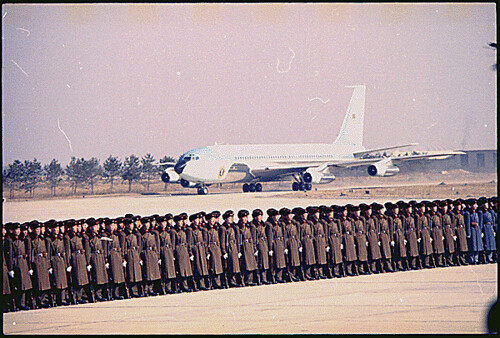
Air Force One media access has become a contentious issue after the White House decided to drop CNN from its list of approved outlets. This decision has ignited debates about transparency and media coverage.
Background on Air Force One Media Access
The recent decision by the White House to restrict media access to Air Force One has raised significant concerns regarding transparency in government communications. This move, particularly the exclusion of CNN from accompanying the president on official flights, has sparked a debate about the role of the press in holding public officials accountable.
Historically, Air Force One has served as a vital platform for journalists to report on presidential activities and decisions in real-time. The ability to travel with the president allows media outlets to provide immediate coverage and context to important events. However, the current administration’s approach to Air Force One media access appears to prioritize control over open communication.
Critics argue that limiting access undermines the principles of a free press and diminishes the public’s right to information. As the White House navigates its relationship with the media, the implications of these restrictions on transparency must be closely examined. The ongoing dialogue surrounding Air Force One media access will likely play a critical role in shaping future interactions between the government and the press.
Impact of Dropping CNN
The recent decision to drop CNN from Air Force One media access has raised significant concerns about transparency in presidential communications. By excluding a major news network, the White House risks fostering a perception of bias and favoritism in the press pool. This move underscores the ongoing tensions between the administration and media outlets that challenge its narratives.
Critics argue that limiting media access to Air Force One could undermine the principle of a free press, which is essential for democracy. The implications of this decision may extend beyond immediate public relations; it could set a precedent for future administrations to restrict access based on political alignment.
Furthermore, the absence of CNN from the press corps raises questions about the information that reaches the public. A diverse media presence is crucial for comprehensive coverage and accountability. By narrowing the pool of journalists allowed on Air Force One, the White House may inadvertently diminish the quality of reporting and public discourse, impacting how citizens engage with their government.
As discussions around Air Force One media access continue, the need for transparency remains paramount.
Reactions from Journalists and Politicians
Reactions from journalists and politicians have been swift and critical following the White House’s decision to drop CNN from Air Force One media access. Many in the media sphere view this move as a troubling sign for transparency in government communications.
Veteran journalist Maria Thompson expressed her concerns, stating, “This is not just about one network; it’s about the principle of access for all media. When the White House decides who can travel with the President, it raises questions about the administration’s commitment to transparency.”
Political analysts have echoed these sentiments. Senator John Harris remarked, “Diminishing media access, especially to a major outlet like CNN, undermines public trust. It is crucial that all journalists have an equal opportunity to report on the President’s activities.”
Critics argue that the decision may set a dangerous precedent, potentially restricting diverse voices in political reporting. As the debate around Air Force One media access continues, many are left wondering how this will impact press freedom in the long run.
Future of Media Relations with the White House
The future of media relations with the White House is increasingly uncertain, especially following the decision to limit Air Force One media access. This move has raised significant concerns among journalists and media organizations about transparency and accountability in government operations.
As more restrictions are placed on who can accompany the President, the implications for public trust and information dissemination become more profound. The decision to exclude major networks, such as CNN, underscores a troubling trend where access is granted based on perceived loyalty rather than journalistic integrity.
Moreover, with the 2024 elections on the horizon, the media’s role in informing the public becomes even more critical. In light of this, many fear that limiting access will create an echo chamber, reducing diverse perspectives in political coverage.
As journalists adapt to these changes, there is a growing call for a reassessment of media relations strategies. It is vital that the administration acknowledges the importance of equitable media access to foster a healthier democratic discourse.
By pingnews.com via Openverse