Robert Williams
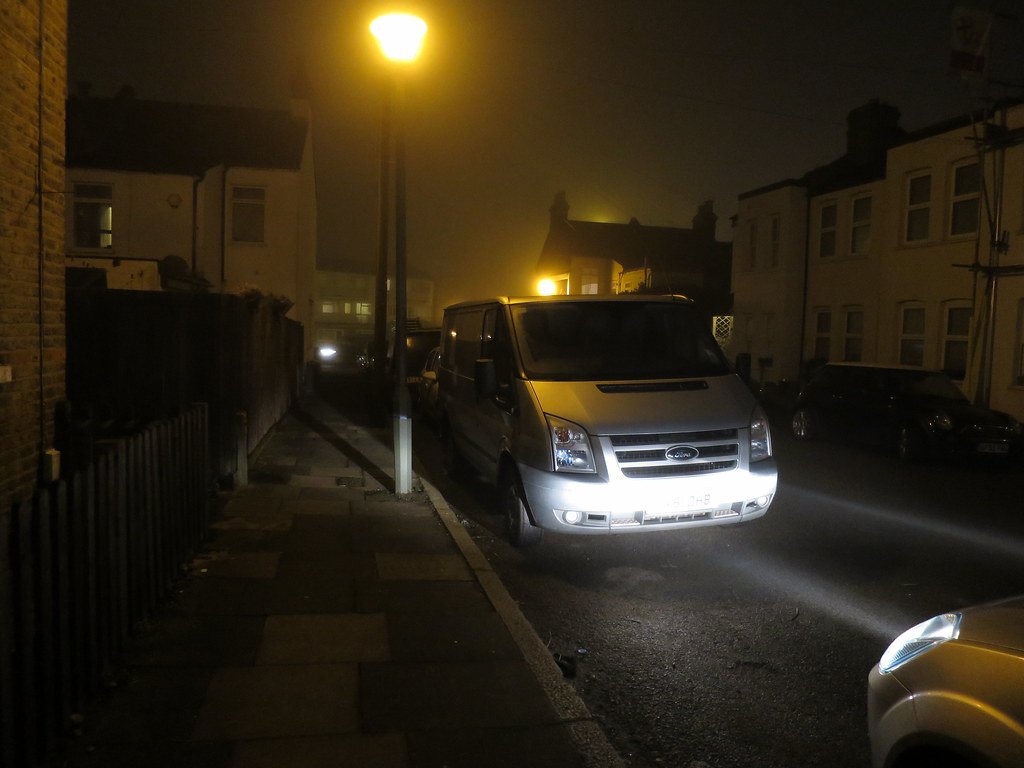
Air pollution coughing has been shown to increase significantly at night, according to a recent study. This finding highlights the serious health implications of air quality.
Understanding Air Pollution
Air pollution is a significant environmental issue that affects both health and quality of life. Various studies have indicated that exposure to pollutants can lead to a range of respiratory problems. A recent study highlights a disturbing link between air pollution and increased coughing, particularly at night.
During nighttime, the effects of air pollution can be exacerbated due to several factors:
- Calm conditions: Nighttime often sees reduced wind, allowing pollutants to linger in the air.
- Temperature inversions: These can trap pollutants near the ground, increasing exposure levels for those indoors.
- Increased susceptibility: The body’s defenses may be weaker at night, making individuals more prone to respiratory issues.
As a result, individuals living in areas with high pollution levels may experience more frequent episodes of coughing during the night. This emphasizes the urgent need for effective measures to combat air pollution and protect public health.
Effects of Air Quality on Health
Research has shown that poor air quality significantly impacts respiratory health, leading to increased instances of coughing, particularly at night. A recent study highlights the correlation between elevated levels of air pollution and nighttime coughing, emphasizing the need for greater awareness and preventive measures.
Several factors contribute to the adverse effects of air pollution on health, including:
- Particulate Matter: Tiny particles that penetrate deep into the lungs can irritate airways, causing persistent coughing.
- Allergens: Polluted air often carries allergens that can trigger respiratory issues in sensitive individuals.
- Respiratory Diseases: Long-term exposure to air pollution can worsen chronic conditions such as asthma and bronchitis, leading to more frequent coughing at night.
As the study suggests, addressing air pollution may be crucial for improving overall health and reducing nighttime coughing, particularly for vulnerable populations. Awareness and action are necessary to mitigate these effects and protect public health.
Coughing and Sleep Disruptions
Recent studies have highlighted the alarming connection between air pollution and sleep disruptions, particularly through increased instances of coughing at night. The research indicates that individuals exposed to higher levels of air pollutants may experience more frequent coughing, which not only affects their sleep quality but also their overall health.
During nighttime, when the body is ideally meant to rest and recover, the presence of airborne toxins can trigger respiratory issues. This leads to:
- Frequent awakenings: Coughing fits can disrupt the sleep cycle, causing individuals to wake up multiple times during the night.
- Increased fatigue: A lack of restorative sleep can lead to daytime drowsiness and decreased productivity.
- Worsened respiratory conditions: Individuals with pre-existing conditions may find their symptoms exacerbated by nighttime coughing.
As air pollution continues to be a pressing issue, it’s crucial to address its impact on health, especially regarding nighttime coughing and sleep disruptions.
Study Findings Explained
A recent study has revealed alarming findings regarding the connection between air pollution and nighttime coughing. Researchers analyzed data from various urban areas, focusing on individuals exposed to high levels of particulate matter. The results indicated a significant increase in nighttime cough incidents among those living in polluted environments.
Key findings from the study include:
- Increased Cough Frequency: Participants reported a 40% rise in coughing episodes during the night when exposed to elevated air pollution levels.
- Sleep Disruption: Many respondents noted that coughing interrupted their sleep, leading to increased fatigue and reduced overall well-being.
- Chronic Conditions: The study highlighted that individuals with pre-existing respiratory issues experienced exacerbated symptoms, further linking air pollution coughing to serious health concerns.
These findings underscore the importance of addressing air quality as a means to improve public health and minimize the negative impacts of pollution on sleep quality and respiratory health.
Preventive Measures for Better Health
To mitigate the effects of air pollution coughing, individuals can adopt several preventive measures aimed at improving their overall health and well-being. These strategies can significantly reduce exposure to harmful pollutants, especially during the night when the impact is most pronounced.
- Indoor Air Quality Improvement: Using air purifiers with HEPA filters can help remove pollutants from indoor spaces, providing a cleaner breathing environment.
- Regular Cleaning: Dusting and vacuuming frequently can minimize indoor allergens and irritants that contribute to coughing.
- Ventilation: Ensuring proper ventilation in homes and workplaces allows for the circulation of fresh air, which can dilute indoor pollutants.
- Limiting Outdoor Exposure: Staying indoors during high pollution days and using masks when necessary can help protect against outdoor air quality issues.
- Healthy Lifestyle Choices: Maintaining a balanced diet and engaging in regular exercise can strengthen the immune system, reducing susceptibility to respiratory issues.
Implementing these measures can lead to improved health outcomes and a reduction in nighttime coughing caused by air pollution.
Long-Term Health Risks
Long-term exposure to air pollution has been linked to various health complications, notably respiratory issues that can lead to persistent coughing. Studies indicate that individuals who reside in areas with high levels of air pollution are at a greater risk of developing chronic respiratory diseases. This connection is particularly concerning for nighttime coughing, which can disrupt sleep and exacerbate other health problems.
Research has shown that the irritants present in polluted air can lead to inflammation of the airways, causing increased sensitivity and a higher likelihood of coughing. Furthermore, those already suffering from conditions such as asthma or chronic bronchitis may experience worsened symptoms due to the effects of air pollution.
Experts recommend that individuals limit their exposure to polluted environments, especially during high pollution days, to mitigate these long-term health risks. Awareness of air quality and its impacts on health is crucial for preventing complications related to air pollution coughing and ensuring better respiratory health over time.
Community Awareness and Action
In light of the recent findings regarding air pollution coughing, community awareness and action have become crucial in addressing the issue. Local organizations and health officials are stepping up efforts to educate residents about the impact of poor air quality on nighttime health.
Many communities are organizing workshops and informational sessions to highlight the connection between air pollution and respiratory issues. These initiatives aim to empower residents with knowledge about how to protect themselves and their families from the harmful effects of air pollution.
Additionally, residents are encouraged to participate in local clean air campaigns. Actions include:
- Promoting the use of public transportation to reduce vehicle emissions.
- Advocating for stricter regulations on industrial emissions.
- Planting trees and creating green spaces to improve air quality.
By coming together as a community, individuals can create a healthier environment, ultimately reducing the episodes of coughing linked to air pollution during the night.
Future Research Directions
Future research directions in the field of air pollution and its impact on health are crucial to understanding the long-term effects of environmental toxins. As studies reveal significant links between air pollution coughing and nighttime issues, researchers aim to explore several key areas.
- Longitudinal Studies: Conducting long-term studies to monitor the effects of sustained exposure to air pollutants will provide a deeper understanding of chronic health consequences.
- Demographic Variations: Investigating how different populations, including children and the elderly, respond to air pollution may highlight vulnerable groups and inform targeted interventions.
- Intervention Strategies: Developing and testing new public health initiatives to reduce exposure to pollution, especially during night hours, could lead to improved community health outcomes.
- Technological Innovations: Exploring the role of technology in air quality monitoring and its potential to provide real-time data for at-risk populations.
By focusing on these areas, future research can better address the urgent issue of air pollution coughing and its broader implications for public health.
Recent findings suggest that air pollution coughing can significantly disrupt sleep patterns, leading to increased fatigue during the day. Additionally, individuals affected by air pollution coughing may experience heightened respiratory issues at night, exacerbating their overall health concerns.
By Alan Stanton via Openverse
Sources
You might also like
Senator Cotton Phone Number: Is It the Right Move? · Multifunctional Fe Synthesis: Proven Methods for Success · Asian Games 2026 medal tally: What are the best results?