Robert Williams
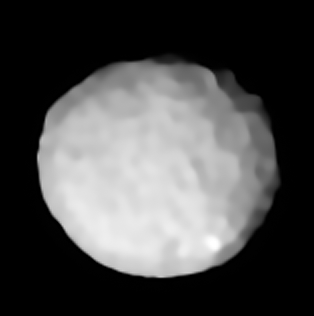
Mars-sized worlds collision has been discovered by NASA’s Webb Telescope, unveiling signs of cosmic impacts that could reshape our understanding of planetary formation.
What Did NASA Discover?
NASA’s recent discoveries with the James Webb Space Telescope have shed light on the intriguing phenomenon of Mars-sized worlds collision. The telescope has detected signs of past cosmic impacts that suggest these celestial bodies once collided in our solar system.
Researchers analyzed data revealing the presence of unique chemical signatures and structural anomalies in various planetary bodies. These findings support the theory that Mars-sized worlds may have played a crucial role in shaping the early solar system.
Key highlights from the discovery include:
- Unprecedented Data: High-resolution images showcase the aftermath of potential collisions.
- New Theories: The research proposes models explaining how these impacts influenced planetary formation.
- Further Exploration: Scientists aim to study more regions in space to understand the implications of these findings.
Overall, this research enhances our understanding of how cosmic events have shaped our planetary neighborhood.
Understanding Mars-sized Worlds
The study of Mars-sized worlds has gained significant attention due to their potential role in the evolution of planetary systems. These smaller planetary bodies, often referred to as protoplanets, are believed to have played a crucial part in the early solar system, particularly during the formation of terrestrial planets.
Recent discoveries suggest that collisions between these Mars-sized worlds were not only common but also instrumental in shaping the characteristics of larger planets. Understanding the dynamics of these impacts can provide insights into the processes that led to the formation of Earth and its neighboring planets.
Key points of interest include:
- Evidence of widespread collisions in the early solar system
- The impact of size and speed on planetary formation
- How these cosmic events influence planetary atmospheres
As research continues, the exploration of Mars-sized worlds and their collisions may reveal more about the universe’s formative moments.
The Impact of Cosmic Collisions
The impact of cosmic collisions has long fascinated astronomers and scientists alike. Recent findings from NASA’s James Webb Space Telescope have provided compelling evidence of Mars-sized worlds collision events that shaped our solar system’s evolution. These collisions, which occurred billions of years ago, are believed to have played a critical role in forming planets and their unique characteristics.
Analyzing data from distant galaxies, researchers observed signs of massive impacts that suggest the presence of planetary bodies similar in size to Mars. The implications of these discoveries extend beyond mere curiosity; they offer insights into the processes that govern planetary formation and the potential for habitability in other star systems.
Key points about the impact of these cosmic events include:
- Understanding the frequency of Mars-sized worlds collision can reveal more about the dynamics of planetary formation.
- Such collisions may have contributed to the delivery of water and organic materials to developing planets.
- They provide clues about the potential for life beyond Earth.
Significance of Webb’s Findings
The recent findings from NASA’s Webb Telescope shed light on the significance of cosmic events, particularly the Mars-sized worlds collision that has implications for our understanding of planetary formation. These discoveries provide crucial evidence that such collisions played a vital role in shaping the early solar system.
Webb’s observations reveal previously unseen details about the remnants of these cosmic impacts, allowing scientists to better comprehend the processes that lead to the creation of planets. The data suggests that collisions between Mars-sized bodies are not merely theoretical but have occurred frequently in the past, influencing the evolution of terrestrial planets.
This new information opens up avenues for further research, with potential implications for studying exoplanets. Understanding the dynamics of Mars-sized worlds collisions could help astronomers predict the fate of planetary systems across the galaxy, offering deeper insights into our own planetary history and the conditions that foster life.
Future of Space Exploration
The recent discoveries made by NASA’s Webb telescope open new avenues for understanding the cosmos, particularly in relation to Mars-sized worlds collision. Scientists are eager to explore the implications of these findings for future space exploration missions.
As we delve deeper into our solar system, the examination of ancient impact sites could yield crucial insights into the conditions that shaped planetary bodies. Future missions may include:
- Sample Return Missions: Collecting samples from asteroids and moon surfaces to analyze their composition and history.
- Advanced Telescopes: Utilizing next-generation telescopes to observe distant exoplanets and their formation processes.
- Robotic Explorers: Deploying autonomous missions to study the remnants of cosmic collisions on Mars and other celestial bodies.
Ultimately, understanding the dynamics of Mars-sized worlds collision will enhance our knowledge of planetary formation and evolution, paving the way for future exploration endeavors.
The recent findings provide compelling evidence of a Mars-sized worlds collision that reshaped the early solar system. Researchers are now analyzing the implications of this Mars-sized worlds collision on the formation of terrestrial planets.
By Credit: ESO/Vernazza et al. via Openverse
Sources
Related stories
Test hopefuls performance: The Clear Impact of Hoekstra’s Debut · Study Grant for Women: West Bengal’s Worthy Rs 50,000 Offer · Christa Pike execution news: Wrong turn in a proven case