Robert Williams
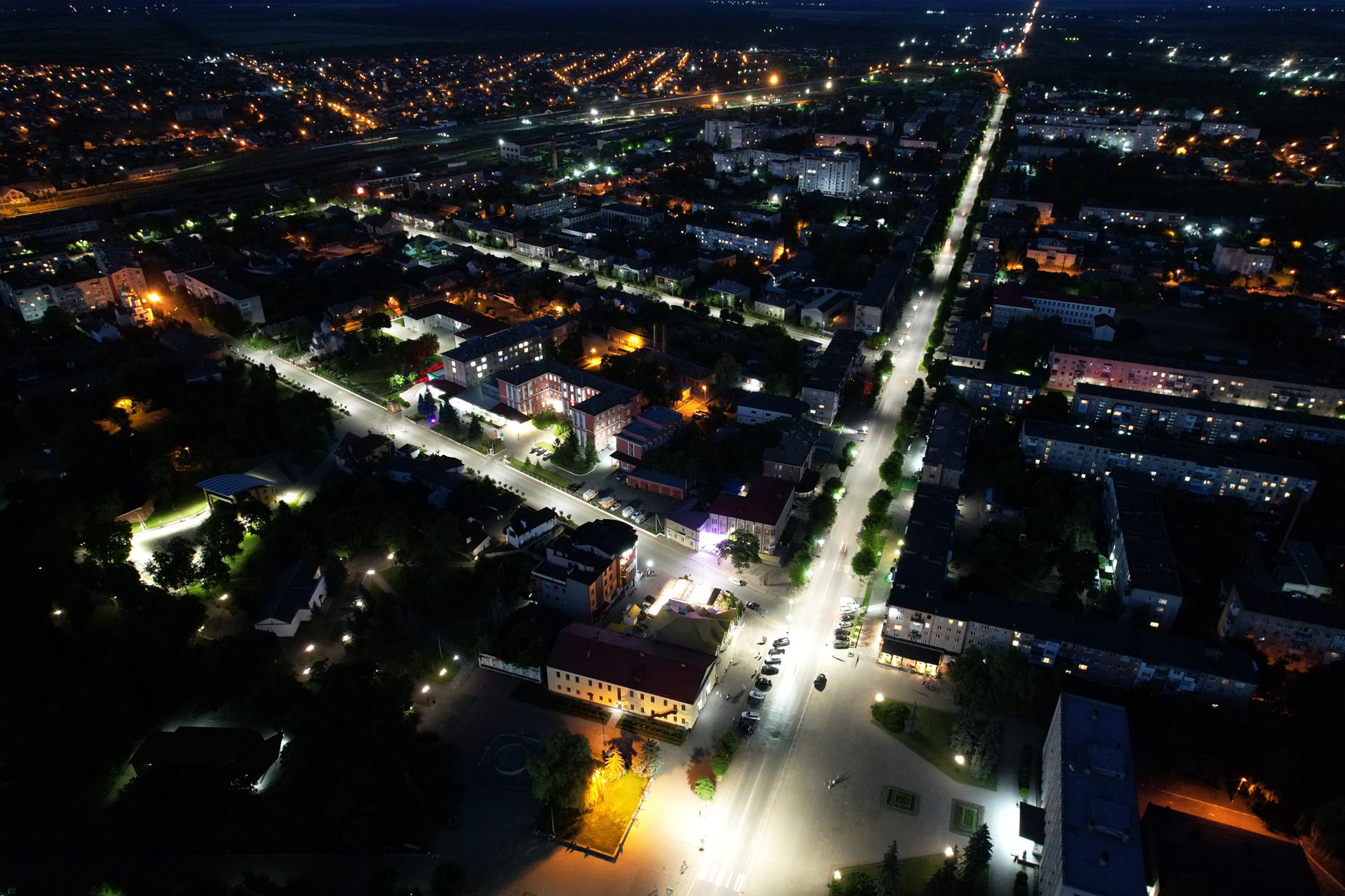
Ukrainian drones attack has struck Russia’s biggest data center, marking a significant escalation in the ongoing conflict. This incident highlights the increasing use of drone technology in warfare.
Overview of the Attack
In a significant escalation of hostilities, Ukrainian drones attacked Russia’s largest data center, marking one of the most severe strikes in recent weeks. The assault, which took place early in the morning, targeted key infrastructure critical for data processing and storage. Eyewitnesses reported a series of explosions, followed by thick plumes of smoke rising from the facility.
Officials in the region confirmed that the attack disrupted operations and led to considerable damage. While the extent of the casualties remains unclear, preliminary reports suggest that both personnel and equipment were affected. The data center’s role in supporting various sectors, including telecommunications and finance, has raised concerns about wider implications for the Russian economy.
The Ukrainian government has yet to officially comment on the operation, but it aligns with their ongoing strategy to utilize drones in targeted strikes against military and logistical hubs. This Ukrainian drones attack underscores the increasing sophistication and boldness of their military tactics.
Impact on Russian Infrastructure
The recent Ukrainian drones attack has left a significant mark on Russian infrastructure, particularly targeting critical data centers. This unprecedented strike has raised concerns about the vulnerability of Russia’s technological assets.
Key impacts of the attack include:
- Operational Disruptions: Many data services experienced outages, affecting both public and private sectors.
- Data Loss: Vital information may have been compromised or irretrievably lost, raising alarms about national security.
- Increased Cyber Vigilance: Russia is ramping up security measures to prevent future drone incursions, reflecting heightened anxiety over infrastructure protection.
- Economic Repercussions: The attack could lead to a slowdown in tech-driven economic activities, as companies reassess their risk management strategies.
As the fallout continues, the implications of the Ukrainian drones attack extend beyond immediate damage, potentially reshaping the landscape of Russian cybersecurity and infrastructure resilience.
Response from Ukrainian Officials
In response to the recent Ukrainian drones attack on Russia’s largest data center, Ukrainian officials have emphasized the strategic importance of the operation. They argue that the attack was a necessary step to disrupt Russian military communications and logistics.
Ukrainian President Volodymyr Zelensky stated, “Our drones are not just tools of warfare; they are symbols of our resilience and determination to protect our sovereignty.” This sentiment was echoed by military spokespersons who highlighted the precision and effectiveness of the drone strikes.
Furthermore, officials noted that the attack serves as a warning against further aggression from Russia. Defense Minister Oleksii Reznikov remarked, “We will continue to utilize our capabilities to ensure the safety of our people and our territory.” The Ukrainian government remains steadfast in its commitment to counter any threats posed by Russian forces.
As tensions escalate, the international community watches closely, with many supporting Ukraine’s right to defend itself.
International Reactions
International reactions to the recent Ukrainian drones attack on Russia’s largest data center have been swift and varied. Global leaders and analysts are weighing in on the potential implications of this escalation in the ongoing conflict.
- Western Governments: Many Western nations have expressed support for Ukraine, viewing the attack as a legitimate act of self-defense against Russian aggression.
- Russia’s Allies: In contrast, countries allied with Russia have condemned the attack, labeling it as an unacceptable violation of sovereignty.
- Military Experts: Analysts suggest that the successful use of drones signifies a shift in warfare tactics, prompting discussions about the future of military technology in conflicts.
- Public Opinion: Social media reactions reveal a mixed sentiment, with some praising Ukraine’s strategic moves while others express concern over escalating tensions.
As the situation develops, the international community continues to monitor the ramifications of the Ukrainian drones attack closely.
Future of Drone Warfare
The recent Ukrainian drones attack highlights a significant shift in modern warfare dynamics, particularly in the use of unmanned aerial vehicles (UAVs). As both sides continue to innovate, the implications for future conflicts are profound.
Experts suggest that the integration of drones in military strategy could redefine operational capabilities. Key aspects to consider include:
- Increased Precision: Drones allow for targeted strikes with minimal collateral damage.
- Real-time Intelligence: UAVs provide crucial reconnaissance, enhancing situational awareness on the battlefield.
- Cost-Effectiveness: Compared to traditional airstrikes, drones are often less expensive to deploy and operate.
- Asymmetric Warfare: Smaller nations, like Ukraine, can leverage drone technology to challenge larger powers effectively.
As the conflict evolves, the ongoing development and deployment of advanced drone technologies will undoubtedly shape the future of warfare, emphasizing the critical role of UAVs in achieving strategic objectives.
Analysis of Cybersecurity Risks
The recent Ukrainian drones attack on Russia’s largest data center has raised significant concerns regarding cybersecurity risks. As drones become more sophisticated, the potential for cyber warfare grows exponentially. This incident highlights the vulnerabilities within critical infrastructure, particularly in the digital realm.
Experts suggest that the attack could serve as a blueprint for future operations, prompting nations to reassess their cybersecurity measures. Key areas of concern include:
- Data Security: Sensitive information stored in data centers may be at greater risk.
- Operational Disruption: Attacks can lead to significant downtime, affecting various sectors.
- Potential for Escalation: Cyber incidents could provoke retaliatory measures, escalating conflicts.
As the landscape of warfare evolves, the integration of drone technology with cyber capabilities poses an unprecedented challenge for national security strategies worldwide.
Historical Context of Drone Use
The use of drones in warfare has evolved significantly over the past few decades, making them a crucial asset in modern conflicts. Historically, drones were primarily employed for surveillance and reconnaissance missions. However, their role has expanded dramatically, particularly in the context of the ongoing conflict between Ukraine and Russia.
Ukrainian drones have increasingly been utilized in offensive operations, demonstrating their effectiveness in striking strategic targets. This shift has led to a rethinking of traditional military tactics and strategies. The recent Ukrainian drones attack on Russia’s data center marks a notable escalation in this trend, showcasing the potential of unmanned aerial vehicles to disrupt critical infrastructure.
The implications of such attacks extend beyond immediate military objectives, raising questions about cybersecurity and the vulnerability of digital assets in warfare. As drone technology becomes more sophisticated, its impact on the battlefield is likely to grow, changing the landscape of future conflicts.
Photo by Denys Mikhalevych on Pexels