Robert Williams
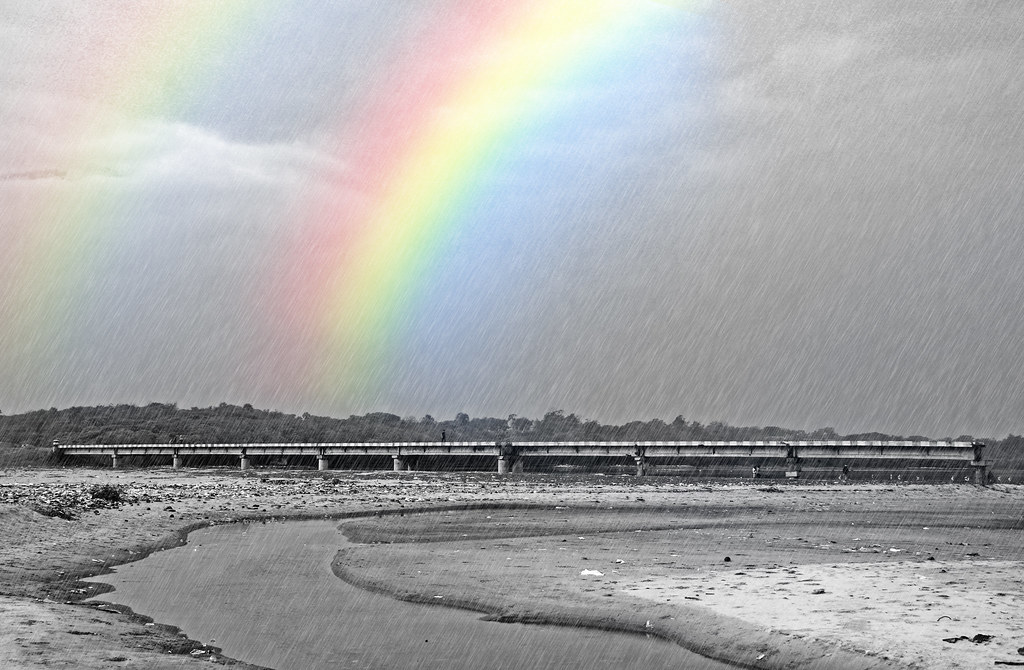
Tamil Nadu rain has caused schools in Chennai and four other districts to declare holidays. The heavy downpour has significantly impacted daily life and education in the region.
Impact of Tamil Nadu rain on schools
The recent spells of heavy rain in Tamil Nadu have severely impacted educational institutions in Chennai and surrounding districts. As a precautionary measure, authorities have declared a holiday for schools to ensure the safety of students and staff. The decision comes in light of the adverse weather conditions affecting daily life.
Several districts have reported significant disruptions, prompting local governments to take swift action. The holiday announcement has been made for:
- Chennai
- Tiruvallur
- Kanchipuram
- Vellore
- Ranipet
Parents are advised to stay updated on weather forecasts and school announcements. The intense rainfall has led to waterlogging in many areas, making travel hazardous. In addition to safety concerns, there are fears that prolonged closures could affect the academic calendar.
Local education officials are working diligently to assess the situation and determine when schools can safely reopen. In the meantime, students are encouraged to utilize this time to focus on their studies while remaining safe indoors, as the impact of Tamil Nadu rain continues to unfold.
Safety measures during heavy rain
As Tamil Nadu rain continues to impact daily life, authorities are emphasizing the importance of safety measures during heavy rain to protect students and their families. With schools in Chennai and surrounding districts declaring holidays, parents are advised to remain vigilant and take necessary precautions.
Here are some recommended safety measures:
- Stay Indoors: Encourage children to stay indoors during heavy rain, avoiding any unnecessary travel or outdoor activities.
- Monitor Weather Updates: Keep track of local weather forecasts to stay informed about the duration and intensity of the rainfall.
- Check for Flood Warnings: Be aware of any flood warnings issued by local authorities, especially in low-lying areas.
- Use Safe Transportation: If travel is necessary, ensure that vehicles are equipped for wet conditions and follow all traffic regulations.
- Emergency Kit: Prepare an emergency kit that includes essential supplies such as food, water, and first aid items in case of unexpected situations.
By following these guidelines, families can ensure their safety as Tamil Nadu rain continues to affect the region.
Weather forecast for Chennai
The weather forecast for Chennai indicates that the heavy Tamil Nadu rain is expected to continue for the next few days. Meteorological experts predict that the downpour will intensify, leading to further disruptions in daily life.
According to the Indian Meteorological Department (IMD), several areas in and around Chennai may experience:
- Heavy to very heavy rainfall: Predicted precipitation levels could reach up to 150mm in some regions.
- Thunderstorms: The possibility of thunderstorms accompanying the rain could pose additional hazards.
- Flooding risks: Low-lying areas are particularly vulnerable, and residents are advised to remain vigilant.
In light of the impending weather conditions, authorities have urged residents to stay indoors whenever possible, particularly school children. The situation remains dynamic, and updates will be provided as new information becomes available. Precautions and preparedness are essential as the Tamil Nadu rain continues to impact various sectors, including education.
As the city braces for more rainfall, local agencies are on high alert, ensuring that emergency services are ready to respond to any incidents that may arise from the adverse weather conditions.
Community response to school closures
In light of the recent disruptions caused by the Tamil Nadu rain, community members have come together to support affected families and students. Many parents expressed their concerns regarding the safety of their children during the severe weather conditions. As schools in Chennai and four other districts declared holidays, local communities rallied to provide assistance.
- Food drives: Volunteer groups have organized food drives to ensure that families impacted by the closures have access to meals during this challenging time.
- Transportation services: Some community members have offered to help transport students who need to travel to different areas for online classes or other educational support.
- Mental health support: With the stress of the situation, mental health professionals have stepped in to provide free counseling sessions to both students and parents.
Local authorities are also working closely with schools to monitor the situation and prepare for a safe reopening once the weather improves. Community leaders emphasize the importance of staying connected and offering support as the Tamil Nadu rain continues to impact daily life.
Historical rain patterns in Tamil Nadu
Tamil Nadu has a long history of experiencing heavy rainfall, particularly during the monsoon season. The state typically receives significant precipitation from the southwest monsoon, which usually occurs between June and September. In recent years, however, the patterns of rainfall have become increasingly erratic, with some areas experiencing severe flooding while others face drought conditions.
According to historical data, Tamil Nadu rain has varied significantly from year to year. For instance, the 2015 floods in Chennai were among the worst recorded, leading to extensive damage and loss of life. Such extremes highlight the challenges faced by the region in managing water resources and infrastructure.
Additionally, the northeast monsoon, which takes place from October to December, contributes to the significant rainfall in the state, especially in coastal regions. These seasonal rains are crucial for agriculture but can also disrupt daily life, as witnessed by the current situation where schools in Chennai and other districts have declared holidays due to the adverse weather conditions.
Understanding these historical rain patterns is essential for improving disaster preparedness and response strategies in Tamil Nadu, ensuring that communities are better equipped to handle future weather events.
By VinothChandar via Openverse