Robert Williams
The seabird family tree predicts which species accumulate plastic better than diet. This global analysis uncovers significant insights into seabird behavior and environmental impact.
Understanding the Seabird Family Tree
The recent analysis of the seabird family tree provides valuable insights into how different species accumulate plastic in their environments. By examining genetic relationships among various seabirds, researchers have determined that certain traits influence a species’ likelihood of ingesting plastic debris. This study highlights the importance of understanding the seabird family tree as it relates to environmental health.
Researchers found that some seabird species show a greater propensity for plastic accumulation, which can be attributed to their feeding habits and habitat preferences. The analysis suggests that factors such as:
- Feeding strategies: Species that forage on the ocean surface are more likely to consume plastic.
- Habitat utilization: Birds nesting in areas with high human activity are at a greater risk.
- Body size and morphology: Certain physical traits can affect how much plastic is ingested.
Understanding these connections is crucial for conservation efforts aimed at protecting vulnerable seabird populations.
Impact of Plastic on Seabirds
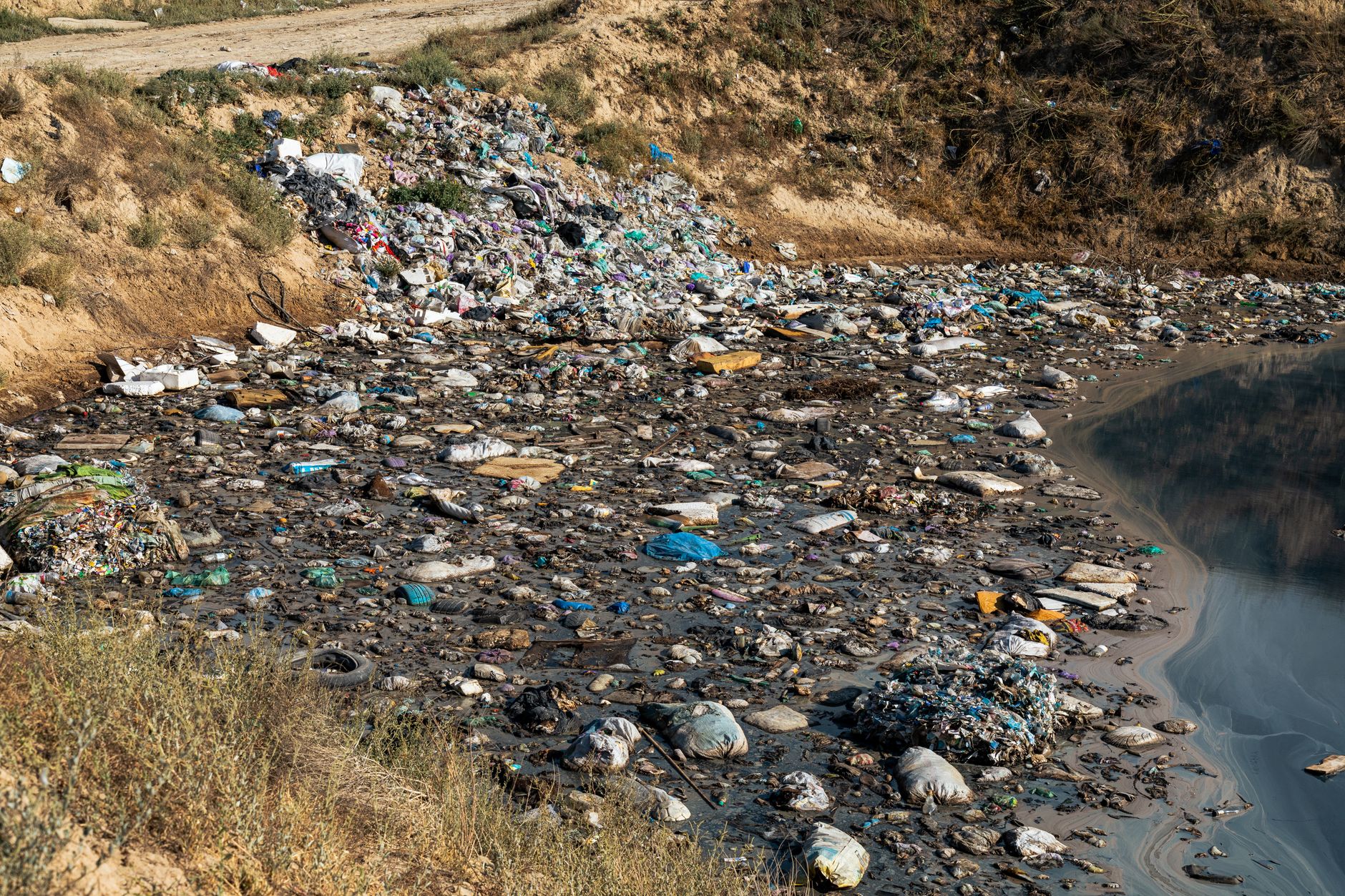
The impact of plastic pollution on seabirds has become a pressing concern for conservationists and researchers alike. Recent studies examining the seabird family tree have revealed that certain species are more prone to accumulating plastic than others, which poses significant threats to their health and survival.
Plastic ingestion can lead to various health issues in seabirds, including:
- Obstruction of the digestive tract, which can result in starvation.
- Toxin exposure from harmful chemicals associated with plastics.
- Reduced reproductive success due to compromised health.
Interestingly, the seabird family tree indicates that some species accumulate plastic through their feeding habits rather than diet alone. This discovery highlights the complex interactions between seabird behavior and environmental factors. As research continues, understanding the seabird family tree will be crucial in developing targeted conservation strategies to mitigate the impact of plastic on vulnerable species.
Factors Influencing Plastic Accumulation
Research has identified several key factors influencing plastic accumulation among seabirds, highlighting the complexities of their family tree. One major factor is the species’ foraging behavior, which determines exposure to plastic debris. Species that dive deeper or forage in more remote areas tend to ingest less plastic than those that feed near the surface or in coastal regions.
Another element is the size and shape of the seabird, as larger species may have different feeding strategies that affect their likelihood of encountering plastic. Additionally, the habitat preference plays a significant role; seabirds that frequent heavily polluted areas are at a higher risk of plastic accumulation.
Moreover, genetic factors related to the seabird family tree can influence their ability to metabolize or expel ingested plastics. Understanding these dynamics is crucial for conservation efforts aimed at protecting vulnerable seabird species from the impacts of marine pollution.
Global Analysis Overview
Recent global analyses have shed light on the seabird family tree, revealing which species are most affected by plastic accumulation. Researchers explored how different seabird species respond to plastic ingestion, demonstrating that genetic factors may play a significant role in their vulnerability. The study highlights that some seabird species, despite having similar diets, exhibit varying levels of plastic accumulation due to their evolutionary traits.
The findings suggest that certain species are more adept at dealing with the impacts of plastic pollution, while others suffer significantly. This disparity emphasizes the need for targeted conservation efforts, as some seabirds may be at greater risk. The research indicates that understanding the seabird family tree can provide crucial insights into the ecological implications of plastic waste in marine environments.
As plastic pollution continues to escalate, the seabird family tree serves as a vital tool in identifying species that require immediate attention to mitigate the impacts of this global crisis.
Conservation Efforts for Seabirds
Conservation efforts for seabirds have become increasingly crucial as studies reveal significant insights into the seabird family tree and its implications for plastic accumulation. To address this pressing issue, various organizations have initiated projects aimed at protecting vulnerable seabird species, particularly those identified as the worst offenders in plastic ingestion.
Key strategies include:
- Habitat Preservation: Efforts to safeguard breeding and feeding grounds are essential for maintaining healthy seabird populations.
- Public Awareness Campaigns: Educating communities about the impact of plastic pollution on seabirds can foster more environmentally responsible behaviors.
- Research and Monitoring: Ongoing studies on the seabird family tree help identify at-risk species, guiding targeted conservation actions.
- Legislation: Advocating for policies that reduce plastic production and promote recycling is vital for the long-term health of seabird ecosystems.
By combining these efforts, conservationists hope to mitigate the effects of plastic pollution on seabirds and ensure the survival of these remarkable species.
Future Research Directions
Future research directions concerning the seabird family tree should focus on a multifaceted approach to understanding plastic accumulation across various species. As studies indicate that genetic factors may play a significant role, researchers should prioritize genetic analysis to identify specific traits that contribute to higher plastic ingestion.
Additionally, it is essential to examine environmental factors that influence seabird behaviors, including nesting sites and feeding patterns. This will help clarify how certain species are more susceptible to plastic accumulation than others.
Long-term monitoring of seabird populations will also be crucial in tracking changes over time, allowing scientists to assess the effectiveness of conservation efforts.
Finally, collaboration with local communities and policymakers can enhance conservation strategies and promote awareness of the issue, ensuring that seabirds are protected from the growing threat of plastic pollution.
By dany13 via Openverse