Robert Williams
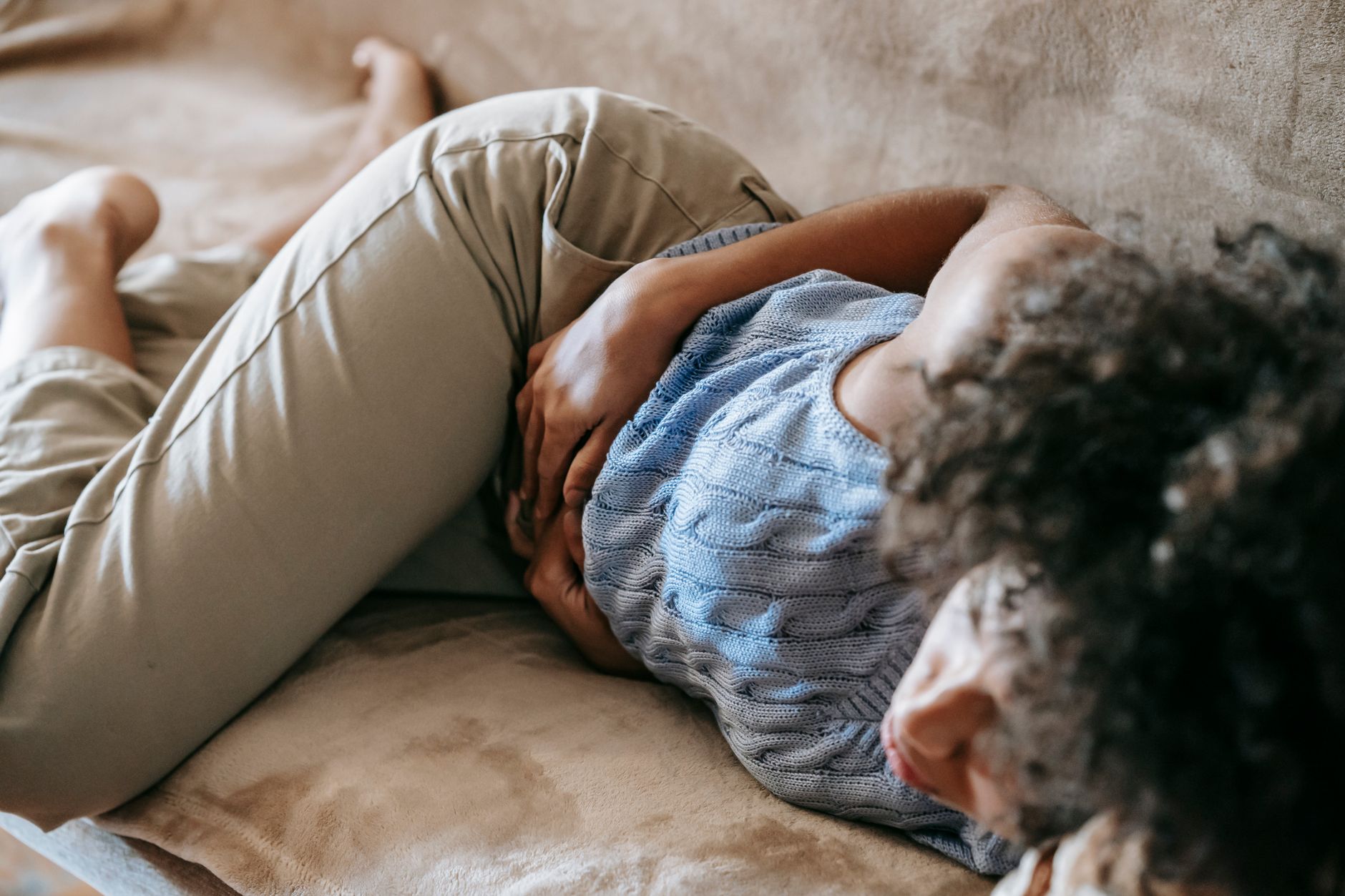
chronic pain in women is a significant issue affecting one in two women in midlife. This alarming statistic highlights the need for effective strategies to manage pain and improve overall well-being.
Understanding Chronic Pain in Women
Chronic pain in women is a complex and often misunderstood issue that affects millions globally. Recent reports indicate that nearly one in two women in midlife experience chronic pain, highlighting the prevalence of this condition. Understanding the nature of chronic pain is crucial for effective management and relief.
This type of pain can stem from various sources, including:
- Musculoskeletal disorders: Conditions such as arthritis and fibromyalgia are common culprits.
- Hormonal changes: Fluctuations in hormone levels during menopause can intensify pain.
- Previous injuries: Past traumas may lead to ongoing pain issues.
- Mental health factors: Anxiety and depression can exacerbate feelings of pain.
For women, the experience of chronic pain is often compounded by societal factors, including caregiving responsibilities and work-related stress. These challenges can create a cycle that not only impacts physical health but also emotional well-being. Recognizing the unique aspects of chronic pain in women is the first step toward finding effective strategies for relief and improving overall quality of life.
Causes of Chronic Pain
Chronic pain in women is a complex issue that can stem from various causes. Understanding these causes is crucial for effective management and relief. Some of the primary factors contributing to chronic pain include:
- Hormonal changes: Fluctuations in hormones, particularly during menopause, can lead to increased sensitivity to pain.
- Autoimmune disorders: Conditions such as rheumatoid arthritis or lupus disproportionately affect women and often result in chronic pain.
- Fibromyalgia: This condition, characterized by widespread musculoskeletal pain, is more prevalent in women and can lead to chronic pain syndromes.
- Psychological factors: Stress, anxiety, and depression can exacerbate pain perception, making chronic pain in women more challenging to manage.
- Injuries and surgeries: Past injuries or surgical procedures can sometimes lead to chronic pain through conditions like complex regional pain syndrome.
Identifying the underlying causes is essential for developing effective treatment plans. By addressing these factors, women can take significant steps toward alleviating their chronic pain and improving their quality of life.
Impact on Daily Life
Chronic pain in women can significantly disrupt daily life, affecting both physical and emotional well-being. Many women report challenges in managing their responsibilities due to persistent discomfort, which can lead to a decrease in quality of life.
Some common impacts of chronic pain include:
- Reduced Mobility: Women may find it difficult to engage in everyday activities such as walking, exercising, or even performing household chores.
- Emotional Health: The ongoing struggle with pain often leads to feelings of frustration, anxiety, and depression, impacting relationships and social interactions.
- Work Performance: Chronic pain can hinder productivity, leading to increased absenteeism or decreased efficiency in the workplace.
- Financial Strain: The costs associated with treatment and lost wages can add financial stress, compounding the difficulties faced by women with chronic pain.
Understanding these impacts is crucial for developing effective strategies to manage chronic pain in women. Addressing both physical and emotional aspects can help improve their overall quality of life.
Treatment Options Available
Women suffering from chronic pain can explore various treatment options tailored to their specific needs. These strategies aim to alleviate discomfort and improve overall quality of life. Here are some proven approaches:
- Medications: Over-the-counter pain relievers such as ibuprofen or acetaminophen can help manage mild pain. For more severe cases, prescription medications like opioids or muscle relaxants may be necessary, always under a doctor’s supervision.
- Physical Therapy: Engaging in targeted exercises and stretches with a licensed physical therapist can strengthen muscles, enhance flexibility, and reduce pain.
- Cognitive Behavioral Therapy (CBT): This psychological approach helps individuals develop coping strategies and change their pain perception, proving beneficial for those with chronic pain in women.
- Alternative Therapies: Techniques such as acupuncture, massage therapy, and yoga can provide relief by promoting relaxation and reducing tension in the body.
- Lifestyle Changes: Maintaining a balanced diet, regular exercise, and practicing stress-reduction techniques can significantly impact pain management.
It is essential for women experiencing chronic pain to consult healthcare providers for personalized recommendations and support.
Emotional Effects of Chronic Pain
Chronic pain in women not only affects physical health but also has significant emotional repercussions. The persistent discomfort can lead to a range of emotional issues, including anxiety, depression, and feelings of isolation. Many women experiencing chronic pain report a decreased quality of life, which can exacerbate these emotional challenges.
Research indicates that up to 50% of women in midlife struggle with chronic pain, leading to a heightened risk of developing mental health disorders. The constant battle with pain can create a sense of helplessness, leaving many women feeling overwhelmed and frustrated.
Support systems, such as family and friends, play a crucial role in mitigating these emotional impacts. However, many women may find it difficult to communicate their struggles, leading to a cycle of misunderstanding and further emotional distress.
It is essential for healthcare providers to address both the physical and emotional aspects of chronic pain. Incorporating mental health support, such as therapy or counseling, can empower women to manage their pain more effectively, fostering resilience and improving overall well-being.
Ultimately, acknowledging the emotional effects of chronic pain is vital for comprehensive treatment and support.
Support Networks for Women
Support networks play a crucial role in helping women navigate the challenges of chronic pain. Connecting with others who share similar experiences can provide emotional relief and practical advice.
Here are some effective support options for women dealing with chronic pain:
- Support Groups: Joining a local or online support group can foster a sense of community. These groups allow women to share their stories and coping strategies, providing mutual encouragement.
- Therapy: Individual or group therapy can help address the emotional aspects of chronic pain. Speaking with a mental health professional can equip women with tools to manage stress and anxiety.
- Family and Friends: Having a reliable support system at home is vital. Open communication with loved ones about the challenges faced can strengthen relationships and provide much-needed understanding.
- Online Communities: Numerous online forums and social media groups are dedicated to chronic pain in women. These platforms can offer 24/7 support and a wealth of resources.
By fostering connections and sharing experiences, women can find empowerment and relief in their journey with chronic pain.
Recent Research Findings
Recent research has highlighted the alarming prevalence of chronic pain in women, particularly those in midlife. A recent report indicates that nearly one in two women experiences chronic pain, underscoring the urgent need for effective management strategies.
Studies suggest several underlying factors contributing to this phenomenon:
- Hormonal Changes: Fluctuations in hormone levels during menopause can exacerbate pain symptoms.
- Gender Differences: Biological and psychological differences between men and women may influence pain perception and reporting.
- Chronic Conditions: Conditions such as fibromyalgia and arthritis are more prevalent in women, leading to increased reports of chronic pain.
Furthermore, research indicates that women are more likely to experience emotional distress related to their pain, which can complicate treatment efforts. This connection between emotional health and chronic pain in women highlights the importance of a holistic approach to treatment.
As researchers continue to explore the complexities of chronic pain, finding tailored strategies for relief remains a priority. Understanding the unique experiences of women facing this challenge is crucial for developing effective interventions.
Tips for Managing Pain
Managing chronic pain in women can be challenging, but there are effective strategies that can help alleviate discomfort and improve quality of life. Here are some proven tips for managing pain:
- Stay Active: Engaging in regular physical activity, such as walking, swimming, or yoga, can help reduce pain and increase mobility.
- Practice Mindfulness: Techniques like meditation, deep breathing, and mindfulness can help manage stress and provide pain relief.
- Maintain a Healthy Diet: A balanced diet rich in anti-inflammatory foods may help lower pain levels. Consider incorporating fruits, vegetables, whole grains, and lean proteins.
- Establish a Sleep Routine: Prioritizing restful sleep can significantly impact pain levels. Aim for consistent sleep patterns and create a calming bedtime environment.
- Seek Professional Help: Working with healthcare providers, including physical therapists, psychologists, or pain specialists, can provide tailored strategies for managing chronic pain.
- Join Support Groups: Connecting with other women experiencing chronic pain can offer emotional support and practical advice.
By implementing these strategies, women can take proactive steps toward managing chronic pain and reclaiming their lives.
Many healthcare professionals are now recognizing the unique challenges faced by those experiencing chronic pain in women. Implementing proven strategies for relief can significantly improve the quality of life for these individuals.
Photo by Sora Shimazaki on Pexels