Robert Williams
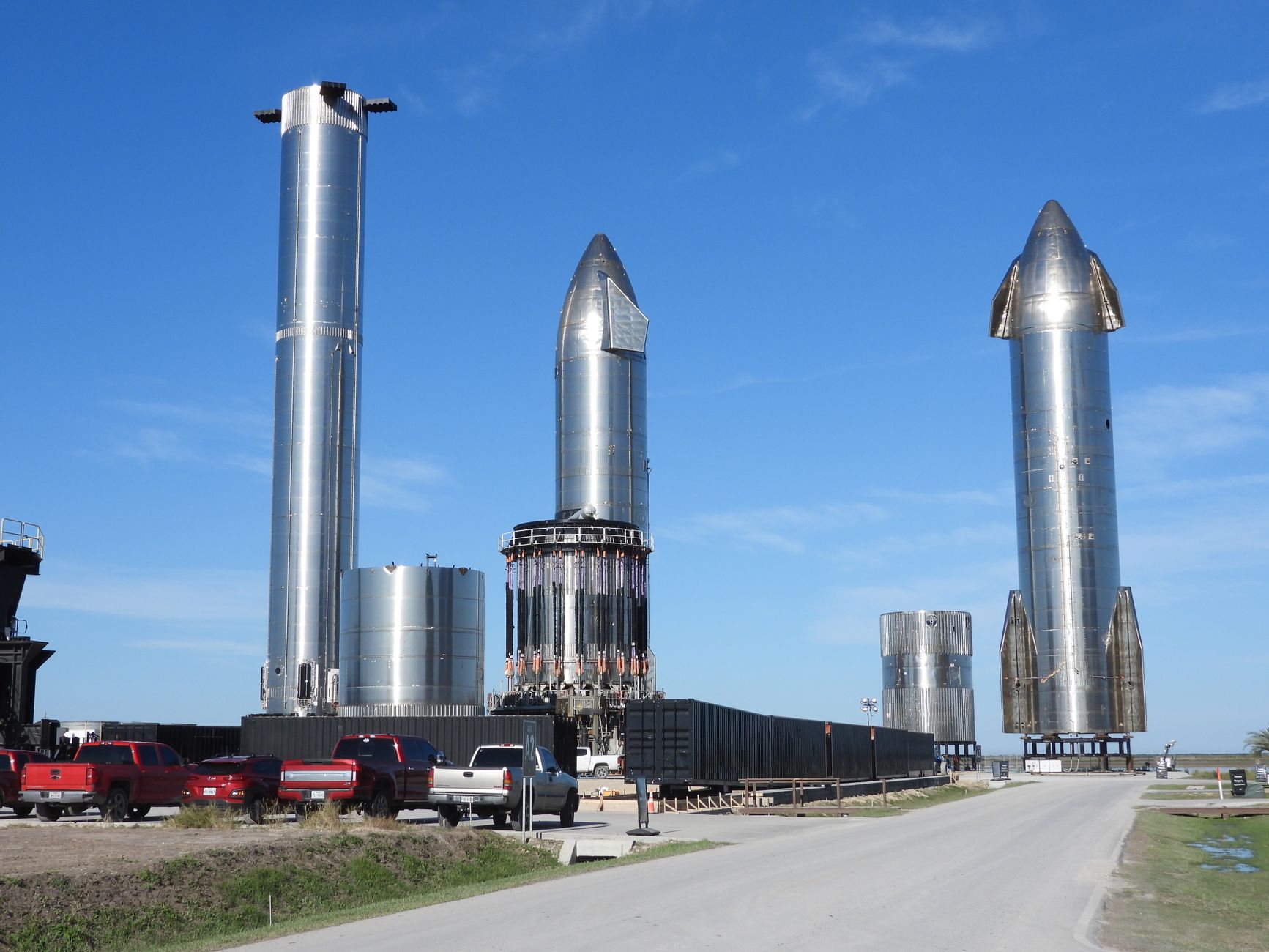
SpaceX Starship landing is a hot topic as the company explores innovative ways to catch its spacecraft. This strategy aims to enhance recovery efficiency and reduce costs.
The Current SpaceX Recovery Methods
SpaceX has been at the forefront of innovative space travel solutions, particularly with the development of its Starship landing techniques. Currently, the company employs several methods to recover its spacecraft after successful missions. These methods are crucial for reducing costs and increasing the reusability of rockets.
One of the primary recovery methods involves the use of a floating platform, known as the “droneship,” stationed in the ocean. This method has proven effective for the Falcon 9 rocket, which lands vertically on the platform after launch. However, for the SpaceX Starship landing, the company is exploring more advanced techniques.
- Catch Method: Instead of traditional landing legs, SpaceX is experimenting with a system that utilizes a giant catch arm on a platform. This approach aims to snatch the Starship mid-air as it descends, minimizing the need for extensive retrofitting and landing gear.
- Vertical Landing: Should the catch method be unfeasible, Starship can still land vertically, similar to the Falcon 9, but this would require new landing technology.
These innovative recovery methods highlight SpaceX’s commitment to making space travel more efficient and sustainable.
Why Catching Starship Makes Sense
The decision to catch the SpaceX Starship during its landing phase is driven by several practical considerations that align with the company’s long-term vision for space travel.
First and foremost, catching the Starship reduces the need for extensive landing gear, which can add weight and complexity to the spacecraft. This efficiency is vital as SpaceX aims to maximize payload capacity for missions to the Moon, Mars, and beyond.
Additionally, catching the Starship allows for a more rapid turnaround between flights. The quick recovery process minimizes refurbishment time, enabling SpaceX to launch missions more frequently.
Another important aspect is safety. By employing a catch mechanism, SpaceX can potentially reduce the risks associated with traditional landing methods, particularly when landing on uneven or hazardous terrains.
Lastly, the visual spectacle of a successful catch adds to the brand’s identity and public interest, capturing the imagination of millions around the world.
As SpaceX continues to develop and refine its recovery strategies, the idea of catching the Starship during landing remains a bold and innovative approach that could revolutionize space travel.
Challenges of Traditional Landing Legs
The traditional landing legs used by most spacecraft present several challenges that SpaceX aims to overcome with its innovative approach. These legs, while functional, can add unnecessary weight and complexity to the design of the spacecraft. Additionally, landing legs require precise engineering to ensure they can withstand the forces during touchdown, which can increase the risk of failure.
Another significant issue with traditional landing systems is their potential for damage upon landing. Even a minor miscalculation can result in a hard landing, potentially compromising the integrity of the spacecraft. SpaceX’s Starship landing strategy, which involves catching the spacecraft mid-air, seeks to eliminate these risks entirely.
Furthermore, the use of landing legs often demands extensive post-landing inspections and repairs, which can extend turnaround times for future missions. By opting for a catch method, SpaceX aims to streamline the recovery process, allowing for more rapid reusability of the Starship.
Overall, addressing these challenges of traditional landing legs is crucial for the success of the SpaceX Starship landing, paving the way for advancements in aerospace technology and increased mission efficiency.
Future of SpaceX’s Landing Technology
The future of SpaceX’s landing technology is poised to revolutionize space travel and recovery methods. With the ambitious goal of making spaceflight more sustainable, SpaceX is exploring innovative approaches, particularly through the SpaceX Starship landing techniques that emphasize efficiency and reusability.
One of the key advancements is the concept of using massive nets or arms to catch the Starship during its descent. This method not only reduces the risk of damage associated with traditional landing legs but also allows for quicker turnaround times between flights. The potential for minimizing wear and tear on the spacecraft could pave the way for more frequent missions, ultimately lowering the cost of access to space.
Moreover, the development of advanced guidance and control systems will be crucial in ensuring the accuracy needed for these catch attempts. As SpaceX continues to refine these technologies, the implications could extend beyond just the Starship, influencing recovery methods for future spacecraft as well.
As SpaceX pushes the boundaries of what is possible, the focus on innovative landing solutions signifies a major step toward the next era of aerospace exploration.
Impact on Space Exploration and Costs
The innovative approach of the SpaceX Starship landing system has the potential to significantly impact space exploration and associated costs. By utilizing a catch system instead of traditional landing legs, SpaceX aims to enhance the efficiency and reliability of spacecraft recovery.
One of the primary benefits of this method is the reduction in material costs. Traditional landing systems require extensive engineering and resources, whereas a catch mechanism can streamline the design and manufacturing process. This could lead to:
- Lower production costs: Fewer components mean reduced expenses in both design and assembly.
- Increased turnaround times: Faster recovery and refurbishment can lead to more frequent launches.
- Enhanced safety: A controlled capture may minimize risks associated with hard landings.
Moreover, the SpaceX Starship landing technique could pave the way for advancements in reusable rocket technology. Success in this area may attract further investments and partnerships in the aerospace sector, fostering innovation. As SpaceX continues to refine its methods, the implications for future missions, especially those targeting Mars or beyond, could be profound, making space travel more accessible and sustainable.
The innovative techniques used during the SpaceX Starship landing are revolutionizing space travel. By refining the process of SpaceX Starship landing, engineers are ensuring safer returns for future missions.
Photo by Ocean Camera Space Corp. on Pexels