Robert Williams
U.S.-Iran peace talks are reshaping market dynamics today. The stock market is reacting positively, with the Dow leading the charge amid hopes for a diplomatic resolution.
Current Stock Market Overview
The stock market experienced a notable rise as optimism surrounding U.S.-Iran peace talks grew. Investors reacted positively to the potential for stability in the Middle East, which could have significant implications for global energy prices and international trade.
As of today, the Dow Jones Industrial Average has led the charge, reflecting a surge in investor confidence. Key factors contributing to this bullish trend include:
- Increased Investor Sentiment: The discussions have sparked hopes for a diplomatic resolution, leading to increased buying activity across various sectors.
- Energy Sector Gains: With the prospect of decreased tensions, energy stocks have seen a boost, as lower geopolitical risks may lead to stable oil prices.
- Market Volatility: While the market is currently buoyant, analysts warn of potential volatility as developments in the U.S.-Iran peace talks unfold.
- Global Economic Impact: A successful negotiation could enhance trade relationships, further influencing market dynamics.
As investors keep a close eye on the progress of the U.S.-Iran peace talks, many believe that a positive outcome could lead to sustained market growth and renewed confidence in the economic landscape.
Impact of U.S.-Iran Peace Talks
The ongoing U.S.-Iran peace talks have generated significant interest not only in diplomatic circles but also in the financial markets. Investors are closely monitoring these discussions, as the potential outcomes could have far-reaching implications.
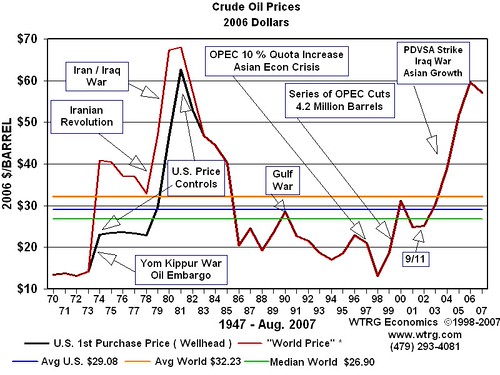
One major impact of these peace talks could be on global oil prices. A successful negotiation could lead to the lifting of sanctions on Iran, allowing it to resume oil exports fully. This situation could result in:
- Increased Supply: An influx of Iranian oil could stabilize or even lower global prices, benefiting consumers and industries reliant on energy.
- Market Reactions: Stock markets may react positively to news of progress in the talks, with energy stocks potentially seeing significant gains.
- Geopolitical Stability: Improved relations between the U.S. and Iran could lead to a decrease in regional tensions, fostering a more stable environment for international trade.
However, the outcome of the U.S.-Iran peace talks remains uncertain. Analysts are divided on how quickly any agreements could translate into real-world changes. The negotiations also carry risks, and any breakdown in talks could lead to renewed tensions, adversely affecting market sentiment.
Overall, the impact of these peace talks will likely ripple through various sectors, shaping both short-term market dynamics and long-term geopolitical strategies.
Dow Jones Performance Today
As the U.S.-Iran peace talks progress, investors are closely monitoring the stock market’s reaction, particularly the Dow Jones Industrial Average. Today, the Dow has shown a robust performance, reflecting a mix of optimism and cautious sentiment surrounding the ongoing diplomatic discussions.
Key factors influencing the Dow’s movement include:
- Investor Sentiment: The potential for improved relations between the U.S. and Iran has led to increased investor confidence, with many anticipating positive outcomes from the talks.
- Sector Performance: Certain sectors, particularly energy and defense, are experiencing fluctuations as markets respond to news regarding oil prices and geopolitical stability.
- Market Reactions: Stocks are reacting to real-time updates from the U.S.-Iran peace talks, with traders adjusting their positions based on perceived progress or setbacks in negotiations.
As of noon, the Dow is up by over 200 points, buoyed by expectations that a successful resolution could lead to economic benefits not just for the U.S. but for the wider Middle Eastern region as well. Analysts suggest that sustained dialogue may provide a more stable environment for future investments.
In summary, the developments in U.S.-Iran peace talks are playing a pivotal role in shaping today’s stock market dynamics, particularly the performance of the Dow.
Arista Networks Buy Point Analysis
As the stock market reacts to the ongoing U.S.-Iran peace talks, investors are closely monitoring potential opportunities in technology stocks, particularly Arista Networks. The company’s stock has shown promising trends, suggesting a possible buy point for savvy investors.
Analysts suggest that several factors contribute to Arista Networks’ current positioning:
- Strong Earnings Growth: The company has reported consistent revenue growth, driven by demand for cloud networking solutions.
- Market Position: Arista Networks holds a competitive edge in the market, providing innovative technology that meets the needs of data centers and enterprise customers.
- Strategic Partnerships: Collaborations with major cloud providers enhance the company’s reach and provide a stable revenue stream.
Investors should consider the broader economic implications of the U.S.-Iran peace talks, as geopolitical stability can influence market conditions. A peaceful resolution could lead to increased investor confidence, potentially benefiting technology stocks like Arista Networks.
As the market fluctuates with news updates, those looking to invest in Arista Networks should keep an eye on key technical indicators and market sentiment surrounding the U.S.-Iran negotiations, as these factors could create optimal buying opportunities.
Market Reactions to Diplomatic Efforts
The ongoing U.S.-Iran peace talks have triggered a variety of reactions across financial markets, reflecting investor sentiment regarding potential outcomes. As negotiations progress, analysts are closely monitoring how these discussions could impact sectors sensitive to geopolitical tensions.
Market participants have shown increased optimism, as evidenced by:
- Energy Stocks: Companies within the energy sector have experienced notable fluctuations. A successful resolution could lead to a stabilization of oil prices, benefiting major players.
- Defense Stocks: Conversely, defense firms may see a dip in stock prices due to reduced perceived threats. Analysts predict shifts in investment strategies as the talks unfold.
- Tech Sector: Technology companies, particularly those with international exposure, are cautiously optimistic. A peaceful resolution could enhance trade relationships, allowing for potential growth opportunities.
Moreover, the bond market has reacted with a degree of volatility. Investors are weighing the potential for increased stability in the Middle East against the backdrop of U.S.-Iran relations. Traders are adjusting their portfolios in anticipation of future developments, indicating a strong correlation between diplomatic efforts and market dynamics.
As the talks continue, maintaining awareness of these market reactions will be crucial for investors aiming to navigate the evolving landscape.
Investor Sentiment and Predictions
As the U.S.-Iran peace talks unfold, investor sentiment is closely tied to the potential outcomes of these discussions. Many analysts believe that a successful resolution could lead to increased stability in the Middle East, which in turn could have a positive effect on global markets.
In recent days, stock market fluctuations have reflected investor optimism about the prospects for peace. A resolution to long-standing tensions could open up new avenues for trade and investment, particularly in energy sectors. As such, the following predictions are being made:
- Increased Investment in Energy: Investors are looking at energy stocks, anticipating a surge in production and exports from Iran if sanctions are lifted.
- Market Stability: A peaceful resolution is expected to lead to reduced volatility in the stock markets, allowing for more consistent growth.
- Sector Rotation: Funds may flow from defensive sectors into growth areas, particularly technology and consumer discretionary, as confidence in economic recovery grows.
- International Relations Impact: Improved relations may attract foreign direct investment, bolstering the U.S. economy.
In summary, the outcome of the U.S.-Iran peace talks is poised to significantly influence investor behavior, shaping market dynamics in the near future.
Economic Implications of Peace Talks
The economic implications of U.S.-Iran peace talks could be significant, influencing not only bilateral relations but also global markets. As negotiations progress, several factors may contribute to a shift in economic dynamics between the two nations.
- Sanction Relief: One of the most immediate outcomes of successful talks would likely be the easing of economic sanctions imposed on Iran. This could open up trade channels and enhance Iran’s access to international markets.
- Oil Market Stability: Given Iran’s role as a major oil producer, peace talks could lead to increased oil production. This might stabilize global oil prices, benefiting countries reliant on energy imports.
- Investment Opportunities: An improved diplomatic relationship may attract U.S. investors looking to capitalize on new opportunities in Iran, particularly in sectors like technology and infrastructure.
- Regional Economic Growth: Peace talks could foster a climate of stability in the Middle East, potentially leading to broader economic collaboration among neighboring countries.
However, the outcomes are contingent upon the terms agreed upon during the negotiations. If U.S.-Iran peace talks succeed, the resultant economic benefits could reverberate through multiple sectors, creating optimism among investors and consumers alike. As the situation evolves, stakeholders will be closely monitoring developments to gauge potential impacts.
Future Outlook for Investors
The future outlook for investors amid the ongoing U.S.-Iran peace talks remains cautiously optimistic, as market dynamics shift in response to diplomatic efforts. Analysts suggest several potential outcomes that could impact investment strategies.
First, a successful resolution could lead to a stabilization of oil prices, which may benefit energy stocks significantly. Many investors are closely monitoring how these talks unfold, as any positive developments could trigger a surge in energy sector stocks.
Second, easing tensions might enhance trade relations, opening new markets for U.S. companies. This could lead to increased revenues and subsequently, higher stock valuations in sectors like manufacturing and technology. Investors should consider diversifying their portfolios to capitalize on potential growth opportunities.
On the flip side, if negotiations falter, volatility could return to the markets. Investors must remain vigilant, as geopolitical uncertainties often lead to sudden market shifts. Keeping an eye on news related to the U.S.-Iran peace talks will be crucial for making informed investment decisions.
Finally, assessing the sentiment of institutional investors towards geopolitical developments may provide insights into market direction. Overall, staying informed and adaptable will be key strategies for navigating this complex landscape.
By Ken Lund via Openverse