Robert Williams
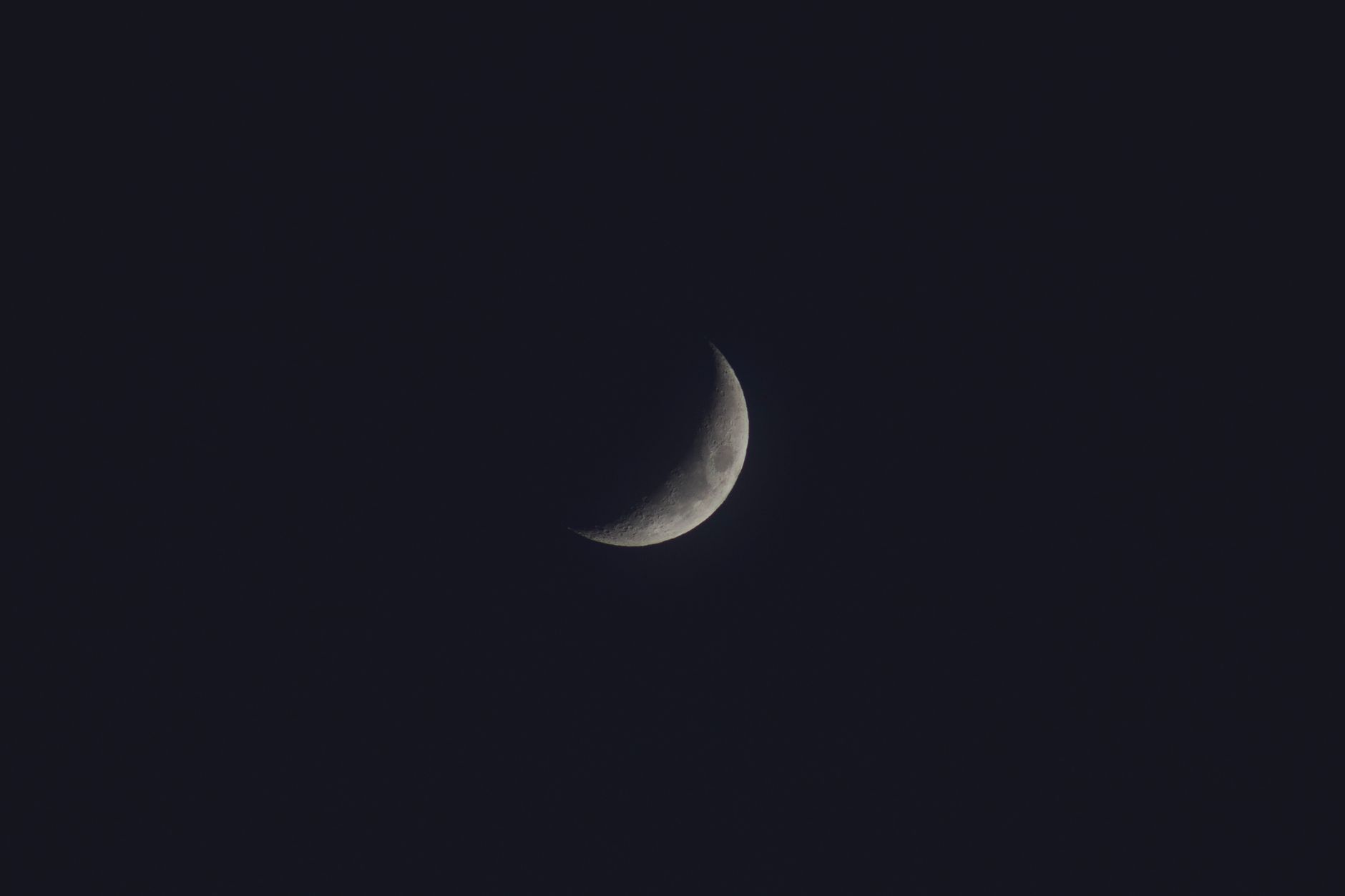
The new mini-moon, 2026 QQ8, has recently been pulled into orbit around our planet. This 1-metre space rock adds an intriguing element to Earth’s celestial environment.
What is a mini-moon?
A mini-moon is a small natural satellite that temporarily captures into orbit around a planet. In the case of Earth, these objects are often asteroids or space rocks that can vary in size but typically measure only a few meters across. The recent discovery of a new mini-moon, a 1-metre space rock named 2026 QQ8, has sparked interest among scientists and astronomy enthusiasts alike.
Mini-moons are usually short-lived, remaining in orbit for a limited time before either falling back to Earth or escaping into space. They offer a unique opportunity for researchers to study the dynamics of celestial mechanics and the interaction between small bodies and larger planets.
Unlike larger moons, mini-moons can provide insights into the history of our solar system and the formation of planetary bodies. As they can be composed of various materials, they may also hold clues about the early solar system’s composition.
As we continue to explore our cosmic neighborhood, the presence of a new mini-moon like 2026 QQ8 serves as a reminder of the dynamic environment surrounding our planet and the ongoing discoveries awaiting us in space.
How was 2026 QQ8 discovered?
The discovery of the new mini-moon, named 2026 QQ8, was the result of advanced astronomical techniques and dedicated observation efforts. On February 15, 2026, astronomers detected the space rock while monitoring near-Earth objects (NEOs) using powerful telescopes equipped with sophisticated imaging technology.
Initially classified as a temporary satellite, 2026 QQ8 was found to be approximately 1 meter in diameter. Its orbital characteristics suggested it had been captured by Earth’s gravitational pull, making it a fascinating subject of study for scientists.
Key factors in the discovery included:
- Continuous Monitoring: Astronomers regularly track NEOs to identify any that may pose a risk to Earth.
- Advanced Imaging Techniques: High-resolution imaging allowed for the detection of smaller objects that might otherwise go unnoticed.
- International Collaboration: The discovery involved several observatories working together, sharing data to enhance observational accuracy.
The identification of 2026 QQ8 highlights the ongoing efforts to understand the dynamics of our solar system and the significance of mini-moons in Earth’s orbit.
The significance of new mini-moon
The recent discovery of a new mini-moon, 2026 QQ8, holds significant implications for our understanding of Earth’s orbital dynamics and the formation of celestial bodies. Unlike traditional moons, mini-moons are much smaller and can provide insights into the conditions of the early solar system.
One of the most fascinating aspects of this new mini-moon is its potential to enhance our study of asteroids and their role in planetary formation. Researchers believe that these small bodies can serve as time capsules, preserving information about the primordial materials that formed the planets.
Moreover, the presence of a new mini-moon can help scientists investigate gravitational interactions between small bodies and larger celestial objects. This can shed light on how small asteroids can be captured by Earth’s gravity.
With 2026 QQ8 in orbit, scientists are eager to study its composition and trajectory. The data collected could pave the way for future missions aimed at exploring similar objects in our solar system.
As we continue to monitor this new mini-moon, the implications for space exploration and our understanding of Earth’s history are profound and exciting.
Potential impacts of mini-moons
The discovery of the new mini-moon, 2026 QQ8, has raised questions about its potential impacts on Earth and its environment. While the presence of such a small celestial body may seem insignificant, there are several factors to consider.
- Gravitational Effects: The new mini-moon could have minor gravitational influences on Earth’s tides. However, experts suggest that its size is too small to create any noticeable changes.
- Space Debris: The addition of 2026 QQ8 as a new mini-moon also highlights concerns regarding space debris. Increased monitoring may be necessary to ensure that other larger objects do not collide with it.
- Scientific Research: The presence of a new mini-moon presents an opportunity for scientists to study its composition and behavior, potentially providing insights into the origins of our solar system.
- Astronomical Events: The mini-moon may also become a focal point for amateur astronomers and enthusiasts, offering new opportunities for observation and research.
In conclusion, while the new mini-moon may not pose significant risks, its presence can enhance our understanding of celestial mechanics and space phenomena.
How do mini-moons form?
The formation of mini-moons, such as the newly discovered new mini-moon 2026 QQ8, typically occurs through a few key processes. These small celestial bodies can be captured asteroids or fragments of larger bodies that have been broken apart by gravitational forces.
One common scenario involves a rocky asteroid passing close to Earth. The planet’s gravity can pull the asteroid into a temporary orbit, transforming it into a mini-moon. This capture process can be influenced by various factors, including the asteroid’s speed, trajectory, and the gravitational interaction with the Moon or other nearby celestial bodies.
Another way mini-moons can form is through collisions in space. When larger asteroids collide, they may break apart, and some of the resulting fragments could be captured by Earth’s gravity. Over time, these fragments might stabilize into a mini-moon orbiting our planet.
In the case of 2026 QQ8, scientists are particularly interested in understanding the specific dynamics that led to its capture, as this can provide valuable insights into the history of our solar system and the processes that govern celestial mechanics.
Are mini-moons common?
Mini-moons, such as the newly discovered new mini-moon 2026 QQ8, are relatively uncommon occurrences in Earth’s orbit. While the concept of mini-moons has gained attention, their frequency is still a subject of research and debate among astronomers.
To understand their rarity, it is important to consider how many objects can actually achieve a stable orbit around our planet. Here are some key points regarding the prevalence of mini-moons:
- Transient nature: Most mini-moons are temporary visitors to Earth’s orbit, often captured for a short duration before being ejected back into space.
- Size matters: The majority of space rocks that enter Earth’s vicinity do not meet the criteria to be classified as mini-moons due to their size and trajectory.
- Detection challenges: Astronomical surveys are constantly scanning the skies, but many small objects go undetected due to their diminutive size and reflective properties.
While mini-moons may not be a common sight, each discovery, like the new mini-moon 2026 QQ8, provides valuable insight into the dynamic nature of our cosmic neighborhood.
The future of 2026 QQ8
The future of 2026 QQ8 remains a topic of interest among astronomers and space enthusiasts. As a new mini-moon, its trajectory and stability in Earth’s orbit will be closely monitored in the coming years.
Unlike larger celestial bodies, mini-moons like 2026 QQ8 may have a shorter lifespan in orbit. Scientists predict several scenarios for its future:
- Stable Orbit: 2026 QQ8 could maintain its position around Earth for an extended period, allowing researchers to study its characteristics and behavior.
- Orbital Decay: Over time, the gravitational pull of Earth may cause 2026 QQ8 to spiral inward, leading to a potential collision with our planet.
- Escape Velocity: In some cases, mini-moons may gain enough velocity to break free from Earth’s gravitational grip and drift into space.
Understanding the future of 2026 QQ8 is crucial for comprehending the dynamics of mini-moons. Continued observations will provide valuable data on how these small celestial objects interact with our planet and the implications for future space exploration.
What scientists say about new mini-moon
Scientists have expressed a mix of excitement and curiosity regarding the new mini-moon, 2026 QQ8, which has recently entered Earth’s orbit. This small celestial body, measuring just about one meter, offers unique opportunities for study and observation.
Dr. Maria Jensen, an astrophysicist at the International Space Institute, stated, “The discovery of 2026 QQ8 expands our understanding of transient objects in the vicinity of Earth. Mini-moons like this one provide valuable insights into the dynamics of orbital mechanics and the characteristics of small bodies.”
Moreover, Professor Liam O’Connor from the Space Exploration Agency noted, “The presence of a mini-moon can help us assess how such bodies interact with our atmosphere and gravity. This could lead to better predictions of their paths and potential impacts on Earth.”
However, some scientists remain cautious. Dr. Emily Tran warned, “While the mini-moon presents exciting research possibilities, we must also consider the potential hazards it may pose. Continuous monitoring is essential to ensure it remains a harmless addition to our orbit.”
Overall, the scientific community is eager to study 2026 QQ8 and its implications for our understanding of space.
Photo by Nicki Dick on Pexels