Robert Williams
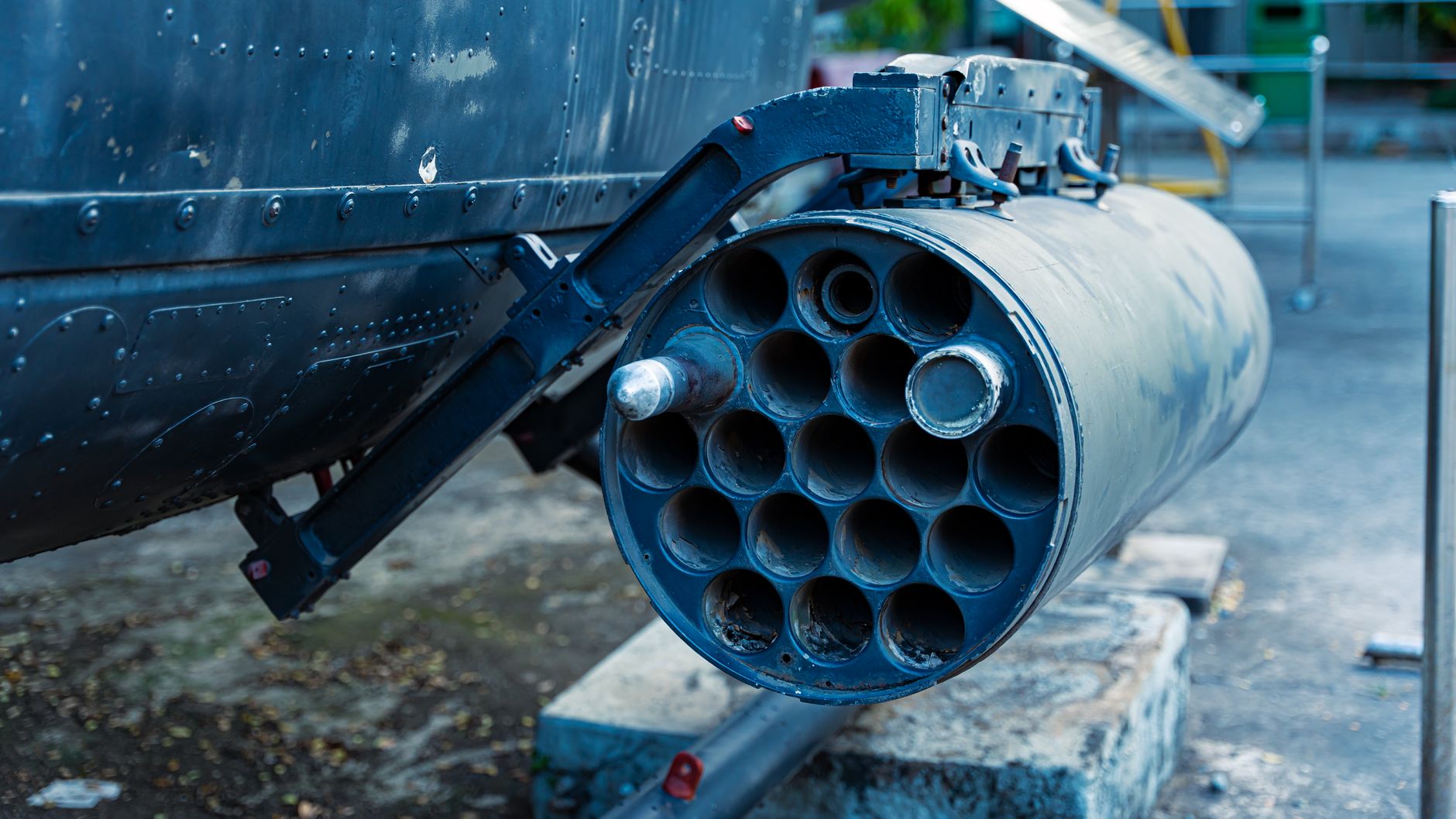
Houthi missiles targeting Riyadh have been intercepted by Saudi Arabia, preventing potential damage and ensuring the safety of the capital. This event highlights ongoing tensions in the region.
Background on Houthi Threats
The conflict in Yemen has significantly escalated over the past few years, with the Houthi movement increasingly using missile attacks as a tactic against neighboring Saudi Arabia. The Houthi missiles targeting Riyadh have become a focal point of this ongoing strife, posing a considerable threat to the region’s stability and security.
Since their involvement in the Yemeni civil war, the Houthis have developed a range of military capabilities, including short-range and long-range missile systems. Their ability to launch these missiles has raised concerns among Saudi officials and international observers alike. The frequency of these attacks has necessitated a robust response from the Saudi military, which has invested heavily in advanced air defense systems to intercept incoming threats.
The Saudi Arabian government has implemented several measures to mitigate the risks associated with Houthi missile strikes. These measures include:
- Enhanced radar systems: The deployment of sophisticated radar technology helps detect incoming missiles early.
- Patriot missile defense systems: These systems are crucial in intercepting and neutralizing missiles before they reach populated areas.
- Public awareness campaigns: Educating citizens on safety protocols in case of an attack is essential for minimizing casualties.
As tensions remain high, the situation continues to evolve, underscoring the need for ongoing vigilance in the face of Houthi threats.
Saudi Arabia’s Defense Strategies
Saudi Arabia has implemented a range of advanced defense strategies to counter the persistent threat of Houthi missiles targeting Riyadh and other key locations. These measures are designed to safeguard the nation’s critical infrastructure and civilian population from missile attacks.
One of the cornerstone systems in Saudi Arabia’s defense strategy is the Patriot missile defense system. This sophisticated technology has proven effective in intercepting incoming threats, ensuring that many Houthi missiles do not reach their intended targets. The system is complemented by the THAAD (Terminal High Altitude Area Defense), which provides an additional layer of protection against longer-range missiles.
In recent years, the Saudi military has also increased its collaboration with international partners, enhancing its intelligence-sharing capabilities. This cooperation allows for timely and coordinated responses to potential missile threats.
Furthermore, the Kingdom has invested in cybersecurity measures to protect its defense infrastructure from potential disruptions. As missile technologies evolve, the need for constant upgrades and adaptations becomes crucial.
In addition to these technologies, public awareness campaigns educate citizens on safety protocols during missile alerts, fostering a culture of preparedness. Through these multifaceted strategies, Saudi Arabia aims to mitigate the risks posed by Houthi missile attacks and ensure the safety of its people.
Impact on Regional Security
The recent incidents involving Houthi missiles targeting Riyadh have raised significant concerns regarding regional security. As the conflict in Yemen continues, the capability of Houthi forces to launch missiles deep into Saudi territory has prompted a reevaluation of existing defense measures and strategies.
Saudi Arabia has invested heavily in its air defense systems, including the deployment of advanced technologies such as the Patriot missile system. These systems have proven effective in intercepting a considerable number of missiles aimed at major urban centers, including Riyadh and its surrounding areas. However, the persistent threat from Houthi missiles underscores the need for continuous enhancement of these defenses.
Moreover, the impact of Houthi missile attacks extends beyond immediate military concerns. The psychological effects on civilians in Riyadh and the broader region cannot be overlooked. Increased anxiety among the population regarding potential attacks has led to heightened security measures and emergency preparedness initiatives.
In response to the threat, regional alliances have also been tested, with neighboring countries reassessing their own security frameworks. Cooperation among Gulf states has become vital in addressing the challenges posed by the Houthi missile threat, emphasizing the need for a united front in protecting regional stability.
As the situation evolves, the implications for regional security will continue to be a focal point of analysis among experts and policymakers.
International Reactions to Interceptions
International reactions to the recent incidents of Houthi missiles targeting Riyadh have varied, with numerous countries expressing concern over the escalating conflict. The successful interception of these missiles by Saudi Arabia’s advanced defense systems has garnered praise from allies, highlighting the effectiveness of the nation’s military capabilities.
Many governments have issued statements reaffirming their support for Saudi Arabia amidst the ongoing threats from the Houthi movement. Key points of international response include:
- United States: The U.S. government condemned the missile attacks and reiterated its commitment to Saudi Arabia’s security, emphasizing the importance of regional stability.
- European Union: EU officials called for a de-escalation of tensions in the region, urging all parties to engage in meaningful dialogue to prevent further violence.
- Gulf Cooperation Council: The GCC expressed solidarity with Saudi Arabia, emphasizing the need for collective security measures against external threats.
- Russia and China: Both nations have advocated for diplomatic solutions, urging restraint on all sides and highlighting the need to avoid further military escalation.
The international community remains vigilant as the situation develops, recognizing the potential implications of Houthi missiles targeting Riyadh for broader regional security and stability.
Future of Saudi-Houthi Relations
The future of Saudi-Houthi relations remains uncertain as tensions continue to escalate. The recent incidents involving Houthi missiles targeting Riyadh have put a spotlight on the fragile dynamics between the two parties, raising questions about potential pathways for peace or further conflict.
Analysts suggest that the ongoing hostilities may hinder any meaningful dialogue. The Houthi movement, backed by Iran, has demonstrated a willingness to engage in aggressive tactics, which complicates Saudi Arabia’s efforts to stabilize the region.
Several factors may influence the trajectory of these relations:
- Military Escalation: Continued missile attacks could provoke a stronger military response from Saudi Arabia, leading to an escalating cycle of violence.
- International Mediation: The involvement of global powers in seeking a resolution might provide a window for negotiations, although trust remains low.
- Economic Factors: The impact of ongoing conflicts on the Saudi economy may push the kingdom to reconsider its approach to the Houthi movement.
- Public Sentiment: Growing fatigue among the Saudi population regarding prolonged conflict could pressure the government to seek diplomatic solutions.
Ultimately, the Saudi-Houthi relationship will likely continue to be shaped by a complex interplay of military, political, and economic factors, keeping observers on high alert for future developments.
Public Response in Riyadh
The recent interception of Houthi missiles targeting Riyadh has sparked a significant public response among residents and officials alike. Many citizens expressed their relief and gratitude towards the Saudi defense forces, who successfully thwarted the threats. In a recent survey, over 80% of respondents reported feeling more secure due to the proactive measures taken by the military.
Local businesses, however, experienced a mixed reaction. While some shop owners noted a temporary decline in foot traffic due to heightened security concerns, others reported an increase in sales of emergency supplies, such as food and water. “People are taking these threats seriously,” stated one shopkeeper. “We’ve seen an uptick in customers preparing for any eventualities.”
The government has also initiated community discussions to address concerns and provide updates on safety protocols. Residents have been encouraged to stay informed and participate in emergency preparedness programs. “We must remain vigilant,” said a local official during a recent town hall meeting. “The threat from Houthi missiles targeting Riyadh is real, but we have systems in place to protect our city.”
As the situation evolves, many believe that ongoing dialogue between citizens and authorities will be crucial in maintaining public confidence and ensuring safety in the face of such external threats.
Conclusion and Next Steps
In light of the recent events involving Houthi missiles targeting Riyadh, it is crucial to assess the implications and outline the next steps for both Saudi Arabia and the international community. The successful interception of these missiles highlights the effectiveness of Saudi Arabia’s defense strategies, which have been bolstered by international support and advanced technology.
Going forward, it is essential for Saudi Arabia to continue strengthening its military capabilities while also engaging in diplomatic efforts to reduce tensions with the Houthi movement. This dual approach may involve:
- Enhancing Defense Systems: Continued investment in missile defense technology to ensure the safety of critical urban centers.
- Diplomatic Engagement: Initiating dialogue with Houthi representatives to explore potential ceasefire agreements and peace negotiations.
- Regional Cooperation: Collaborating with neighboring countries to establish a robust security framework that addresses shared threats.
- International Partnerships: Strengthening alliances with key global players to secure ongoing support and intelligence sharing.
As the situation evolves, it remains imperative for Saudi Arabia to prioritize both defensive measures and proactive diplomatic initiatives. The international community must also remain vigilant, as the repercussions of the Houthi missile threat extend beyond Saudi borders, potentially impacting regional stability and security.
The recent escalation involving Houthi missiles targeting Riyadh has prompted a comprehensive review of the city’s safety protocols. Authorities are implementing advanced defense systems to mitigate the risks associated with Houthi missiles targeting Riyadh.
Photo by XT7 Core on Pexels