Robert Williams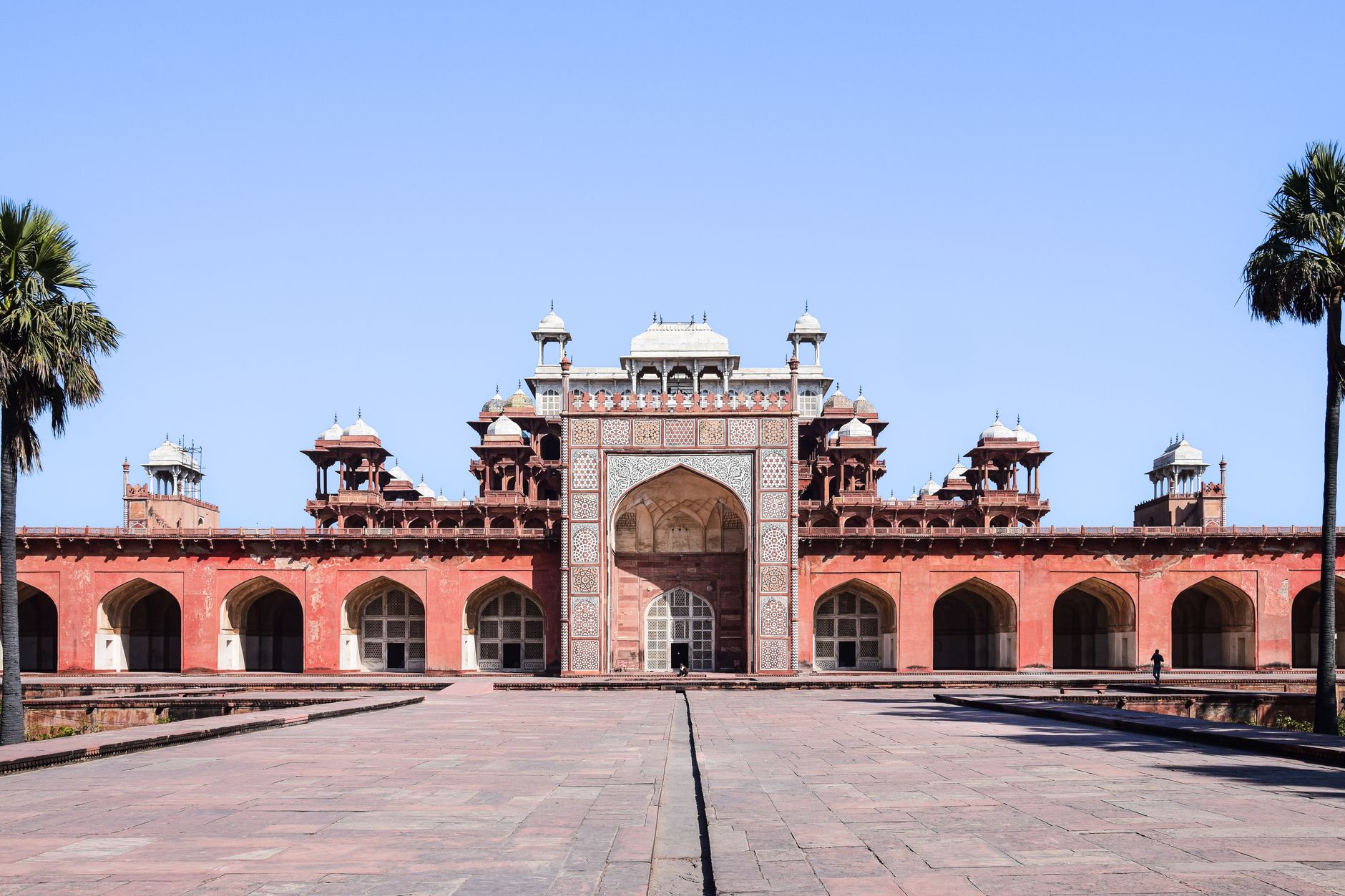
Akbar’s royal kitchen could prepare 100 dishes in an hour. Surprisingly, the Mughal emperor began his meals with something quite ordinary, a humble food that remains a staple in Indian cuisine today.
The Legacy of Akbar’s Royal Kitchen
The legacy of Akbar’s royal kitchen remains a fascinating aspect of Mughal history, showcasing a blend of culinary art and cultural diversity. Known for its ability to prepare an astonishing 100 dishes in an hour, this kitchen was a hub of innovation and tradition. Each meal was a grand affair, reflecting the emperor’s love for rich flavors and exotic ingredients. Yet, it is intriguing to note that despite the opulence, Akbar often began his meals with something surprisingly simple.
According to a 16th-century account, the emperor would start with humble staples, reminiscent of the food still found on Indian tables today. This juxtaposition of extravagance and simplicity highlights the depth of Akbar’s palate and his appreciation for all aspects of cuisine.
The dishes crafted in Akbar’s royal kitchen included a variety of meats, vegetables, and spices, each telling a story of the diverse cultures within his empire. Some of the most beloved recipes from this era continue to influence Indian cooking today, ensuring that the essence of Akbar’s royal kitchen lives on in modern culinary practices.
Visitors to India can still taste the flavors inspired by this rich heritage, making it a significant part of the country’s gastronomic journey.
A Look at Mughal Cuisine
Mughal cuisine, renowned for its rich flavors and royal presentation, has deep roots in the culinary traditions of Akbar’s royal kitchen. This illustrious kitchen was famous not only for the sheer volume of dishes it could produce but also for the exquisite quality and variety of those dishes. The Mughal emperors, particularly Akbar, were known to have a penchant for blending diverse regional flavors and ingredients.
At the heart of Mughal cuisine are several key elements that define its uniqueness:
- Spices: A hallmark of Mughal dishes, spices such as saffron, cardamom, and cloves are used generously to create complex flavors.
- Cooking Techniques: Techniques like dum (slow cooking) and tandoor (clay oven) enhance the taste and texture of the food.
- Ingredients: The use of rich ingredients such as cream, nuts, and dried fruits adds a luxurious touch to many dishes.
- Presentation: Dishes were often elaborately presented, reflecting the grandeur of the Mughal court.
Despite the opulence, the meal would often begin with simple, everyday foods, showcasing a balance between indulgence and humility that resonates with today’s culinary practices.
The Humble Food of Akbar
Despite the grandeur of Akbar’s royal kitchen, which could expertly prepare up to 100 dishes in just one hour, the Mughal emperor often chose to begin his meals with food that was surprisingly simple and humble. This choice reflects a significant aspect of Akbar’s character and his appreciation for the everyday fare enjoyed by his subjects.
Among the dishes that graced his table were:
- Dal: A staple in Indian cuisine, lentils were often cooked to perfection and served as a nourishing base for many meals.
- Roti: This unleavened flatbread was a common accompaniment, showcasing the importance of bread in daily diets.
- Rice: A versatile grain, rice was prepared in various forms, from simple boiled rice to more elaborate biryanis.
- Vegetable curries: Seasonal vegetables were transformed into flavorful dishes, highlighting the diversity of local produce.
These humble foods, often overlooked in favor of more extravagant offerings, represent the essence of Akbar’s royal kitchen. They remind us that even in a palace setting, simplicity and nourishment played a crucial role on the emperor’s dining table, connecting him to the common people of his empire.
How Akbar’s Meals Reflect Culture
Akbar’s meals were more than just a display of culinary skill; they were a reflection of the rich cultural tapestry of the Mughal Empire. The diverse range of dishes prepared in Akbar’s royal kitchen illustrated the emperor’s appreciation for various regional flavors and ingredients. This fusion of culinary traditions highlighted the empire’s extensive trade networks and cultural exchanges.
The menu often featured a harmonious blend of Persian, Indian, and Central Asian influences, showcasing ingredients like saffron, nuts, and aromatic spices. This eclectic mix not only satisfied the emperor’s palate but also symbolized the unity of his diverse subjects. Each dish told a story, representing the local customs and agricultural bounty of the different regions within his realm.
Additionally, Akbar’s choice to include humble foods alongside lavish dishes served as a reminder of his connection to the common people. He often began his meals with simple fare, underscoring the importance of humility and accessibility in his court. This approach influenced the culinary practices of future generations and solidified the notion that the best meals could come from both opulence and simplicity.
In essence, Akbar’s royal kitchen was not just a place of indulgence; it was a dynamic space that celebrated the cultural diversity of his empire through food.
Modern Indian Dishes Inspired by History
As modern Indian cuisine continues to evolve, many dishes pay homage to the rich history of Akbar’s royal kitchen. This culinary legacy influences contemporary chefs, who draw inspiration from the flavors and techniques of the Mughal era.
Some notable dishes that echo the essence of Akbar’s royal kitchen include:
- Biryani: A fragrant rice dish layered with marinated meat, biryani is a staple that reflects the Mughal love for aromatic spices.
- Nihari: This slow-cooked stew, traditionally enjoyed for breakfast, showcases the depth of flavor reminiscent of the elaborate meals served in Akbar’s court.
- Kofta: These spiced meatballs, often simmered in rich gravy, highlight the melding of textures and tastes celebrated in Mughal cuisine.
- Paneer Tikka: A vegetarian twist, this dish features marinated paneer grilled to perfection, embodying the sophisticated flavors of the era.
Chefs today are not only reviving these dishes but also reinventing them, blending traditional recipes with modern techniques. This fusion of past and present ensures that the culinary spirit of Akbar’s royal kitchen continues to thrive, delighting palates across the globe.
The Significance of Food in the Mughal Era
The Mughal era, particularly during Akbar’s reign, witnessed an extraordinary culinary evolution that highlighted the significance of food in society. Akbar’s royal kitchen was not merely a place for preparing meals; it was a symbol of cultural exchange and sophistication. The diverse array of dishes served in the royal court reflected the empire’s vast territories and the confluence of various culinary traditions.
Food during this period was imbued with meaning, serving as a medium for political alliances and social gatherings. Meals were often elaborate affairs, showcasing the artistry of the chefs who could prepare up to 100 dishes in an hour. Each dish was crafted with precision, using a blend of spices that not only tantalized the palate but also demonstrated the ingenuity of Mughal cuisine.
Despite the opulence, Akbar had a penchant for simplicity, often starting his meals with humble foods that resonated with the common people. This approach highlighted the connection between the royal and the ordinary. The significance of food in the Mughal era extended beyond sustenance; it was a reflection of status, culture, and the intricate social fabric of the time, with Akbar’s royal kitchen standing at the heart of this culinary legacy.
Photo by AXP Photography on Pexels