Robert Williams
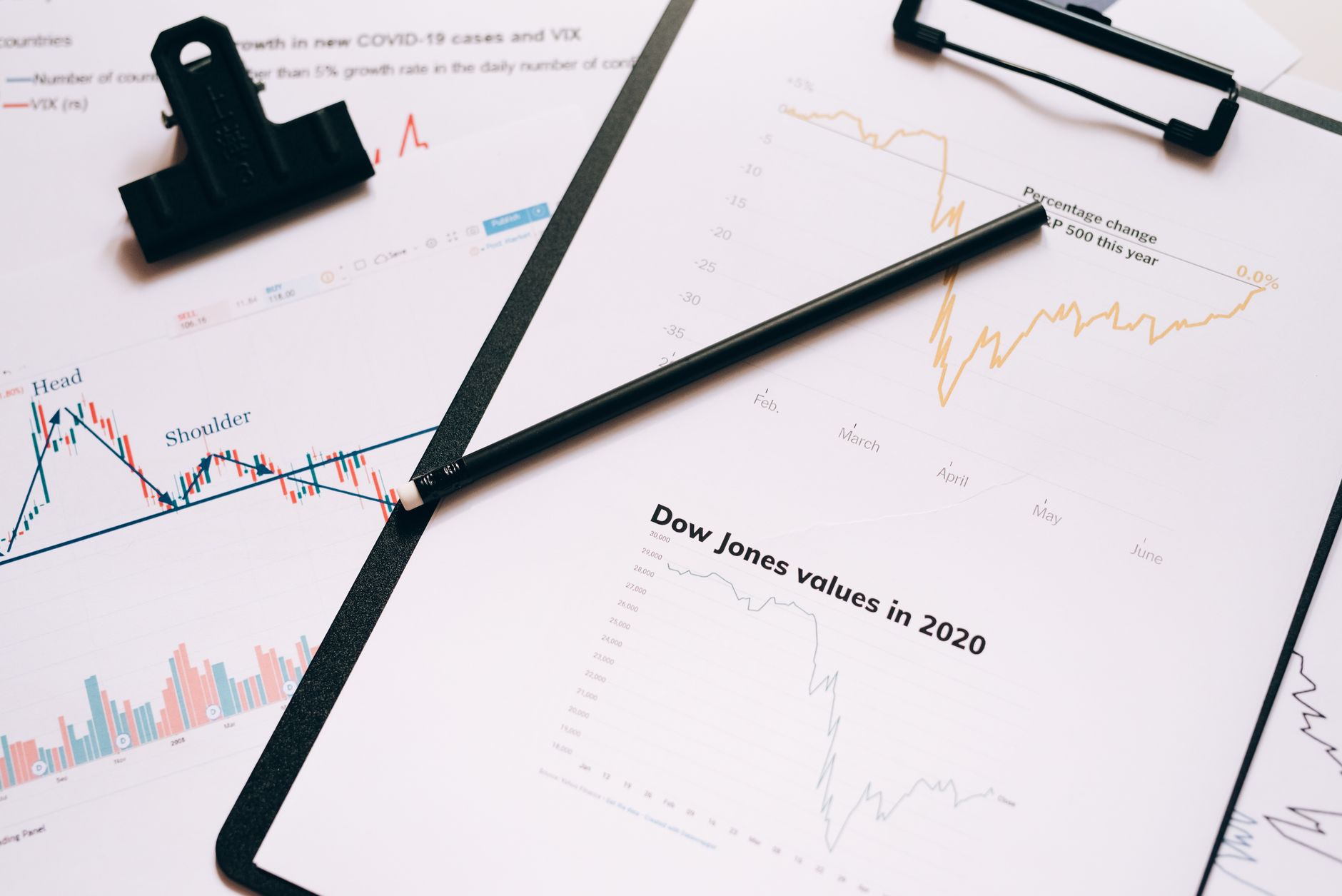
Dow Jones Futures are currently under scrutiny as the market grapples with significant damage. Investors are keen to understand the implications and strategies moving forward.
Understanding the Current Market Conditions
The current market conditions have raised significant concerns among investors, particularly with the Dow Jones Futures reflecting a cautious outlook. Recent developments in the financial landscape showcase persistent volatility, driven by a combination of economic indicators and corporate news. Analysts suggest that understanding these factors is crucial for navigating this turbulent environment.
Several key elements contribute to the current climate:
- Economic Data: Recent reports indicate fluctuating employment rates and inflation trends, impacting investor confidence and market stability.
- Corporate Earnings: Companies are reporting mixed earnings results, with technology giants like Nvidia facing scrutiny that may affect their stock performance.
- Geopolitical Tensions: Ongoing global unrest and trade disputes continue to foster uncertainty in the market, creating a ripple effect on Dow Jones Futures.
As investors assess these conditions, it becomes critical to develop strategies that can mitigate risks. Many experts recommend diversifying portfolios and staying informed about the latest market trends to make educated decisions. The interplay between market sentiment and fundamental data will likely dictate the course of the Dow Jones Futures in the weeks to come, making it essential for stakeholders to remain vigilant.
What the Dow Jones Futures Indicate
The Dow Jones Futures provide crucial insights into the market’s direction, especially in times of uncertainty. As investors analyze the current economic landscape, several factors are influencing these futures and indicating potential trends.
One of the primary indicators is the overall sentiment surrounding major tech stocks. For instance, the ongoing Nvidia probe has raised questions regarding corporate governance and operational transparency, which can significantly impact investor confidence. If major companies face scrutiny, it could lead to volatility in the Dow Jones Futures.
Additionally, market analysts are closely observing inflation rates and interest rate adjustments by the Federal Reserve. As inflation remains a pressing issue, fluctuating rates can alter the investment landscape, subsequently affecting the Dow Jones Futures. Here are some key elements that investors should keep in mind:
- Economic Data Releases: Key indicators such as employment figures and consumer spending can sway market sentiment.
- Global Events: Geopolitical tensions or international trade agreements may also play a role in market fluctuations.
- Investor Sentiment: The collective mood of investors can significantly drive market movements and affect futures.
In summary, understanding what the Dow Jones Futures indicate is essential for formulating effective strategies in a troubled market. Investors must remain vigilant and adaptable to the ever-changing landscape.
Impact of Nvidia’s Spying Case
The impact of Nvidia’s spying case has reverberated throughout the financial markets, raising concerns among investors. The Dow Jones Futures are reflecting this uncertainty as traders digest the implications of the allegations against Nvidia’s management. The case centers on claims that the company engaged in unethical practices, potentially jeopardizing its reputation and stock value.
Market analysts are closely monitoring the situation, as it could affect not only Nvidia but also the broader tech sector. Investors are weighing the potential fallout, with many fearing that negative sentiment could spill over into other stocks within the Dow Jones index. As Nvidia faces scrutiny, the ramifications may lead to increased volatility in the futures market.
- Stock Reactions: Nvidia’s share price has already experienced fluctuations, impacting other companies in the semiconductor industry.
- Investor Sentiment: A decline in confidence could lead to a pullback in tech investments, affecting the overall performance of the Dow.
- Future Projections: Analysts are revising their forecasts, suggesting that the fallout from the investigation may linger, influencing future trading strategies.
As the situation develops, traders will need to remain vigilant, considering how the Nvidia case could shape the landscape for Dow Jones Futures in a damaged market. The implications of this case could set a precedent for how similar allegations are perceived in the future.
Strategies for Investors in a Damaged Market
Investors navigating a damaged market must adopt strategic approaches to mitigate risks and capitalize on potential opportunities. With the Dow Jones Futures reflecting uncertainty, it is essential to evaluate various strategies that can help secure financial positions.
One effective tactic is to diversify investment portfolios. By spreading investments across different sectors and asset classes, investors can reduce their exposure to any single market downturn. This strategy not only minimizes risks but also opens up avenues for growth in other areas.
Another important strategy involves utilizing stop-loss orders. Setting predetermined exit points can help investors protect their capital in volatile conditions. This approach allows for disciplined trading, ensuring that emotions do not dictate investment decisions during turbulent times.
Additionally, staying informed about market trends and news is crucial. Investors should keep a close eye on developments that may affect the Dow Jones Futures, such as economic indicators and corporate earnings reports. This information can guide timely decisions and adjustments to investment strategies.
Moreover, considering dollar-cost averaging can be beneficial. By regularly investing a fixed amount regardless of market conditions, investors can reduce the impact of volatility and potentially acquire assets at lower prices over time.
In conclusion, a well-rounded approach that includes diversification, disciplined trading, continuous learning, and strategic investment can help navigate the complexities of a damaged market.
Expert Opinions on Market Recovery
As the market grapples with uncertainty, expert opinions on the recovery strategies for Dow Jones Futures are becoming increasingly vital. Analysts emphasize the importance of a cautious approach, urging investors to assess their risk tolerance before making decisions.
- Market Timing: Many experts suggest that timing the market can be challenging, especially in a damaged environment. They recommend waiting for clearer signals before jumping into positions with Dow Jones Futures.
- Diversification: Diversifying portfolios is another strategy highlighted by financial analysts. Spreading investments across various sectors can mitigate risks associated with market volatility.
- Long-Term View: A long-term perspective is also encouraged. Experts advise investors to focus on fundamentally strong companies that are likely to recover over time, rather than trying to capitalize on short-term fluctuations.
- Use of Technology: Incorporating technology and analytics into trading strategies can provide investors with a competitive edge. Utilizing tools to track Dow Jones Futures movements may help in making more informed decisions.
In conclusion, while the current market conditions present challenges, expert insights indicate that with the right strategies, investors can navigate the complexities of Dow Jones Futures and position themselves for potential recovery.
Historical Context of Market Damage
The historical context of market damage reveals significant patterns that can inform current strategies for navigating volatility, particularly concerning Dow Jones Futures. Over the decades, various events have caused substantial downturns in stock markets, leading to shifts in investor behavior and market recovery processes.
One of the most notable instances was the 2008 financial crisis, which resulted in drastic declines in major indices, including the Dow Jones. Investors faced a challenging environment, prompting a reevaluation of risk management strategies. The aftermath saw the introduction of regulatory changes aimed at stabilizing the market and restoring investor confidence.
Another example is the dot-com bubble burst in the early 2000s. This period highlighted the importance of due diligence and the potential pitfalls of speculative investments. As companies failed to deliver on inflated valuations, the repercussions were felt across the market, leading to a prolonged recovery phase.
In recent years, geopolitical tensions, such as trade wars and pandemics, have also played pivotal roles in market fluctuations. Each incident has taught investors the importance of adaptability and the need for a diversified portfolio.
- Market recovery patterns: Historical trends show that markets can take years to fully recover.
- Investor behavior: Panic selling often exacerbates downturns.
- Long-term strategies: Emphasizing patience and resilience is crucial.
As the current landscape evolves, lessons from the past will be invaluable for understanding and capitalizing on Dow Jones Futures in a damaged market.
Key Indicators to Watch
As investors navigate the complexities of a damaged market, understanding the key indicators is essential for making informed decisions. The Dow Jones Futures serve as a critical barometer, reflecting market sentiment and future expectations. Below are some of the key indicators to watch:
- Economic Data Releases: Keep an eye on reports such as GDP growth, unemployment rates, and inflation figures. These metrics provide insights into the broader economic landscape and help gauge the market’s recovery potential.
- Corporate Earnings: Earnings season can significantly impact Dow Jones Futures as companies report their financial performance. Strong earnings can buoy investor confidence, while disappointing results may lead to further market declines.
- Interest Rates: Central bank policies regarding interest rates can influence market movements. A shift in rates often indicates a response to economic conditions, affecting investor sentiment and capital flow.
- Geopolitical Events: Global events, including trade negotiations and political instability, can create volatility in the markets, necessitating close monitoring by investors.
- Market Sentiment Indicators: Tools such as the Fear and Greed Index can help investors gauge overall market sentiment, providing a useful perspective on potential market movements.
By keeping these indicators in mind, investors can better position themselves in the face of uncertainty and leverage opportunities presented by fluctuating Dow Jones Futures.
Future Projections for Dow Jones Futures
As investors look to navigate the complexities of the current economic landscape, future projections for Dow Jones Futures suggest a cautious yet strategic approach may be necessary. Analysts believe that the upcoming weeks will be crucial in determining the trajectory of the market.
Several factors are expected to influence Dow Jones Futures movements:
- Interest Rates: With the Federal Reserve’s ongoing adjustments to interest rates, market participants are closely monitoring how these changes will impact corporate earnings and consumer spending.
- Inflation Trends: Continued inflationary pressures could lead to volatility in stock prices, making it essential for investors to stay informed about economic indicators.
- Geopolitical Events: Global tensions and trade relations may also play a significant role, as events unfold that could either stabilize or further disrupt market conditions.
- Corporate Earnings Reports: Upcoming earnings reports from major companies will provide insight into the health of the economy and influence investor sentiment.
In this environment, strategies focusing on diversification and risk management may provide a buffer against unforeseen market fluctuations. Investors are encouraged to stay vigilant and adjust their portfolios in response to evolving market conditions. The coming weeks will ultimately serve as a litmus test for the durability of Dow Jones Futures in a damaged market.
Photo by Leeloo The First on Pexels